Trump Tariff Threats Over Greenland Rattle Global Markets and NATO Allies
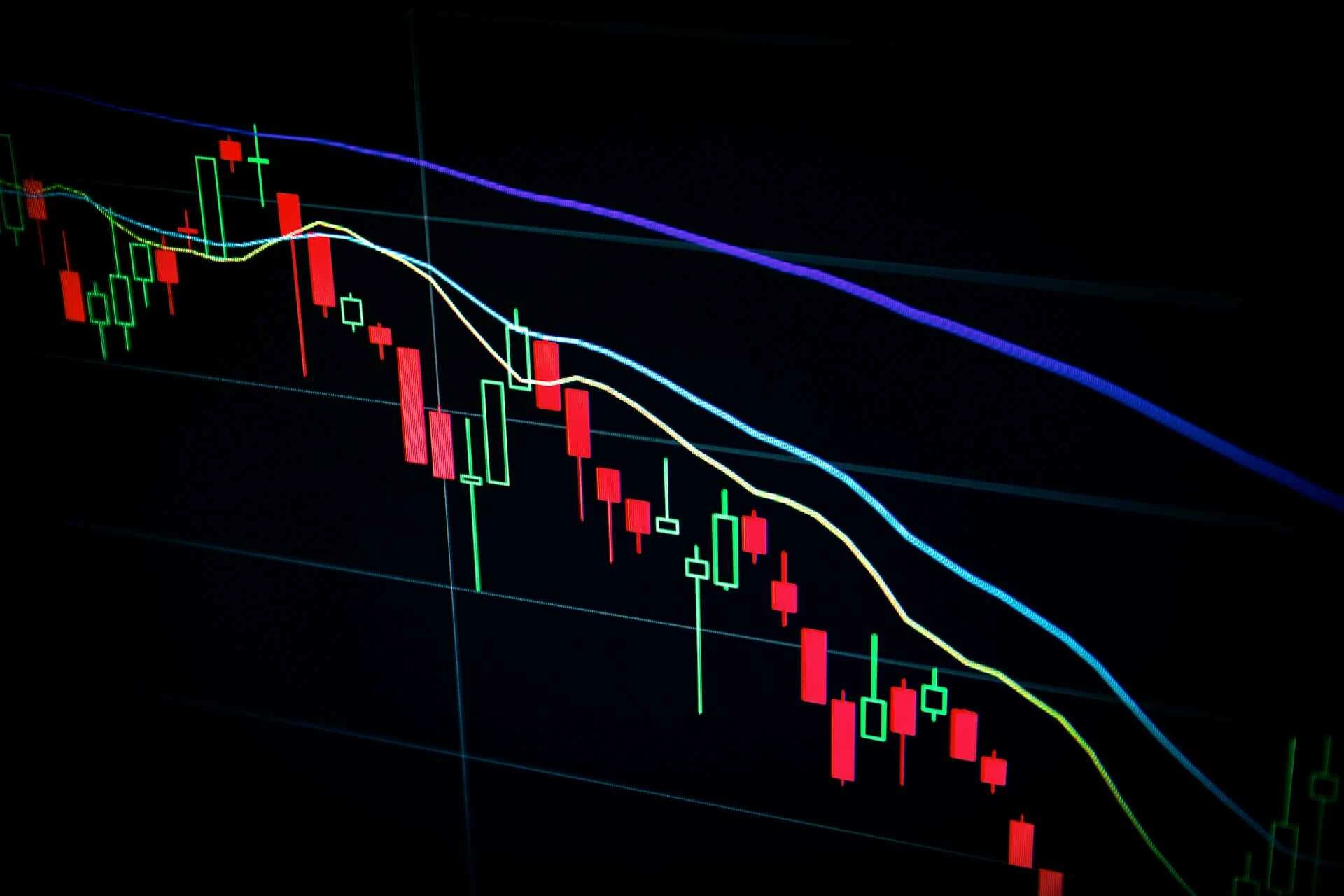
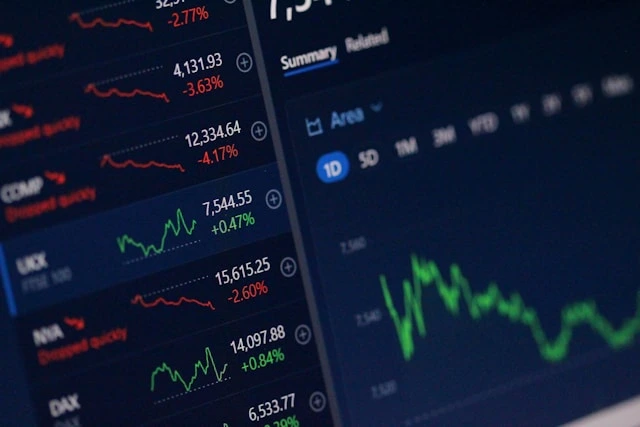
Global stock markets are preparing for declines upon the resumption of trading on Monday following Donald Trump's warning to eight European nations of potential new tariffs unless they back his pursuit of Greenland. The United States president's proposal to implement new trade tariffs of 10% on commodities from Denmark, Norway, Sweden, France, Germany, the United Kingdom, the Netherlands, and Finland starting on February 1, escalating to 25% on June 1, is generating concern within the markets and among European enterprises. Trading on IG's weekend markets indicates that the London Stock Exchange is likely to incur losses upon reopening on Monday, while escalating geopolitical concerns may propel precious metal prices toward new record highs. Wall Street, which resumes trading on Tuesday, is also projected to experience a decline.
Britain’s FTSE 100 index was projected to decline by 0.9% on Monday, according to IG’s weekend market analysis, while its Weekend Wall Street report indicated a 0.5% decrease in the Dow Jones Industrial Average, which monitors 30 major US companies. Gold was trading 0.6% higher at $4,625 per ounce on IG’s weekend bullion market, approaching the record high of $4,642 per ounce reached last week, while spot silver was trading 0.5% higher at $90.41 per ounce. “This latest flashpoint has heightened concerns over a potential unravelling of NATO alliances and the disruption of last year’s trade agreements with several European nations, driving risk-off sentiment in stocks and boosting safe-haven demand for gold and silver,” according to Tony Sycamore, a market analyst at IG.
Why This News Matters:
This is important because it connects trade, markets, and geopolitics in a way that has a direct effect on the stability of the world. Investors are worried about NATO ties that are falling apart and Donald Trump's threat to put tariffs on European partners who are linked to Greenland. This has pushed markets toward safer investments, such as gold. Long periods of uncertainty could slow GDP, raise prices, and make trade between Europe and the US less smooth.
Political Fallout and Diplomatic Criticism
European leaders, including the United Kingdom's Prime Minister Keir Starmer and the President of the European Commission Ursula von der Leyen, criticized Trump's decision on Saturday, which jeopardizes the integrity of the NATO defense alliance. Trump's new policy has engendered “whipped up fresh economic chaos” and represents a setback for the UK economy, stated Susannah Streeter, chief investment strategist at Wealth Club. Prime Minister Keir Starmer of the United Kingdom communicated with President Trump on Sunday afternoon, informing him that “applying tariffs on allies for pursuing the collective security of NATO allies is wrong,” according to a statement from Starmer's spokesperson.
The call was conducted subsequent to individual discussions. Starmer engaged in discussions with the Prime Minister of Denmark, Mette Frederiksen; the President of the European Commission, Ursula von der Leyen; and the NATO Secretary-General, Mark Rutte. In all of his communications, the prime minister reaffirmed his stance on Greenland, the statement indicated. He stated that ensuring security in the High North is a priority for all NATO allies to safeguard Euro-Atlantic interests. Mark Rutte, the Secretary General of NATO, stated on social media that he had discussed Greenland with President Trump. “We will continue working on this, and I look forward to seeing him in Davos later this week,” he wrote, referring to the World Economic Forum in Switzerland.
Business and Trade Concerns
“This is a migraine-inducing development for politicians who have already had to go through tortuous negotiations to reach the first tranche of tariff deals, winning exemptions for certain sectors.” “For companies selling into the United States, and their customers, this move creates another layer of difficult decision making.” “Already they have had to try to absorb the current tariffs – there will be little room to soak up any more – so this new tranche of duties is likely to end up being passed on to American customers.” William Bain, the Director of Trade Policy at the British Chambers of Commerce, forecasted that the implementation of new tariffs on goods exported to the United States would constitute "more bad news for UK exporters." “We know trade is one way to boost the economy, and the success of transatlantic trade depends on reducing, not raising, tariffs.”
European Union Response and Retaliation Planning
Confronted with the prospect of severe tariffs imposed by President Trump should his demands regarding Greenland not be met, European Union leaders commenced efforts to develop a unified negotiation strategy on Sunday, while not excluding the possibility of implementing retaliatory measures of their own. European Union ambassadors convened an emergency meeting this evening in Brussels to deliberate on President Trump's tariff threats concerning Greenland. Policymakers might contemplate permitting the implementation of a 93-billion-euro list of retaliatory tariffs, established last year, to be enacted.
Responding to the United States with retaliatory tariffs on commodities would be less impactful than employing the so-called trade bazooka—officially known as the anti-coercion instrument. Antonio Costa, the President of the European Council, announced that he has "decided to convene an extraordinary meeting" of European leaders in the upcoming days.
Industry and Economic Warnings
Germany’s engineering federation, the VDMA, urged the European Commission to contemplate deploying its “anti-coercion instrument” against the United States. “If the EU gives in here, it will only encourage the US president to make the next ludicrous demand and threaten further tariffs,” stated Bertram Kawlath, president of the VDMA. Hildegard Müller, the president of the German auto industry association, cautioned that the expenses associated with these additional tariffs would be "enormous" for the German and European industries.
Carsten Brzeski, Global Head of Macro at ING, stated: “For businesses, the developments over the weekend mean another period of uncertainty around investments in and exports to the US.” Brzeski stated that he anticipates the increased tariffs will reduce European gross domestic product by approximately a quarter of a percentage point this year. “Europe is still dependent on the US in many ways, both from an economic and security point of view,” he observed.
Popular Posts

Extreme Heat Forces Amtrak and NJ Transit Cancellations Across Northeast Ahead of Fourth of July Travel Surge
Sophia L2026-07-06
Comcast to Spin Off NBCUniversal and Sky Into Separate Public Companies
Alex John2026-06-29
New Illinois Laws Take Effect July 1 Including E-Bike Regulations and AI Cyberbullying Measures
Alex John2026-06-15
Honolulu Police Arrest Suspect After Early Morning Shooting Leaves Man Critically Injured
Jordan Miles2026-06-15
Air Canada Pilot Faces Charges for Flying Without Proper License from 2009 to 2025
Sophia L2026-06-13
Mississippi Residents Sue xAI and SpaceX Over Data Center Noise and Property Concerns
Michael Thompson2026-06-09