U.S. Companies Face Higher Oil Prices, Squeezing Wall Street’s Bright Earnings Outlook
Heading into the year, Wall Street’s consensus expected oil to average around $60 per barrel, supporting full-year 2026 earnings growth estimates of nearly 16%, up from 14% last year and 12% the year before. But recent geopolitical shocks have shattered these assumptions.
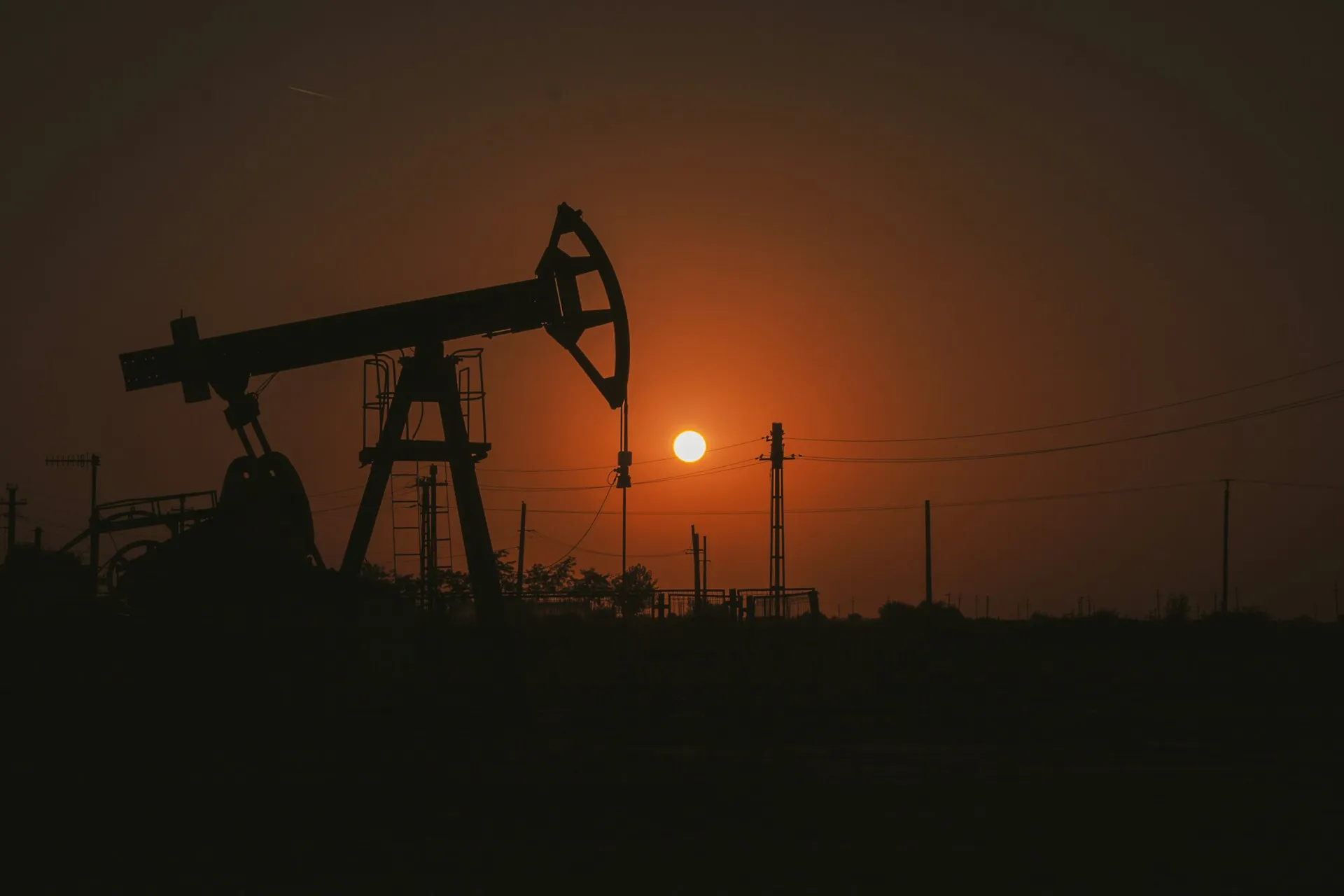
The expectation of stable oil prices has evaporated following U.S.-Israeli strikes on Iran on February 28, which disrupted supply chains and sent crude prices soaring. Oil markets have been volatile—last week marked their biggest weekly rise on record, with prices climbing toward $120 before falling back on hopes for a quick resolution. While prices are likely to drift lower once the conflict subsides, the damage is done. The global energy system has been upended, infrastructure damaged, and the anticipated supply glut has disappeared.
Average oil prices this year will almost certainly be much higher than what businesses planned for at the start of the year. Companies will absorb some of the increased costs, but consumers will feel the pinch, and corporate earnings are set to be squeezed.
REWRITE THE FORECASTS
In December, a Reuters poll indicated that the consensus forecast for Brent crude in 2026 was $61.27, expecting oversupply to offset potential disruptions from U.S.-Iran tensions. This would have been a 7% decline from the 2025 average of $68.20.
But those forecasts are now out the window. Analysts at HSBC raised their 2026 Brent forecast to $80 from $65, and their U.S. West Texas Intermediate outlook to $76 from $61—jumps of 23% and 25%, respectively. The U.S. Energy Information Administration also revised its 2026 Brent forecast upward to $79 from $58 last month, a 36% increase.
IMPACT ACROSS THE ECONOMY
Higher energy prices will ripple through virtually all sectors—gasoline, jet fuel, fertilizer, petrochemicals, plastics—raising costs for transportation, manufacturing, metals, retail, and food industries. “As prices rise, consumer spending is affected, and, ultimately, corporate earnings erode,” warns Joe Brusuelas, chief economist at RSM US LLP.
Goldman Sachs strategists suggest that while modest oil price increases may have limited immediate impact on S&P 500 earnings, prolonged supply disruptions and uncertainty could threaten broader economic growth. They estimate that a 1% decline in U.S. GDP could reduce S&P 500 earnings per share by 3-4%. A 30% rise in oil could shave off about 4% from earnings, hitting transportation, industrials, and consumer discretionary sectors hardest.
With consumer spending making up around 70% of U.S. economic activity, higher energy costs—such as gasoline prices surpassing $3.50 per gallon—are already straining household budgets and dampening spending elsewhere.
SECTORS AND THE AI ARMS RACE
Earnings forecasts vary widely across sectors. As of Friday, energy's outlook was bleak—projected to shrink by 1.2%, the only sector expected to see declining profits. Conversely, the tech sector remains optimistic, with 2026 EPS growth estimates rising to 35.9% from 30.8%, driven by the ongoing AI arms race.
However, these higher energy prices are a hefty blow to tech giants investing heavily in data centers. UBS estimates hyperscalers will spend around $770 billion on capex this year, and rising energy costs could significantly inflate those expenses.
INVESTOR UNCERTAINTY GROWS
The prospect of sustained higher oil prices adds layers of risk for investors. While energy profits could benefit, the broader impact on economic growth and corporate margins makes the outlook uncertain. With many sectors facing headwinds, the resilience of the current earnings forecast appears increasingly fragile.
Popular Posts
Global Markets Mixed as Investors Weigh U.S.-Iran Talks and Fed Outlook
Dana Katherine2026-06-22
New Illinois Laws Take Effect July 1 Including E-Bike Regulations and AI Cyberbullying Measures
Alex John2026-06-15
Honolulu Police Arrest Suspect After Early Morning Shooting Leaves Man Critically Injured
Jordan Miles2026-06-15
Air Canada Pilot Faces Charges for Flying Without Proper License from 2009 to 2025
Sophia L2026-06-13
Taylor Lautner and Wife Tay Reveal They’re Expecting a Baby Girl
Emily Johnson2026-06-08
Global Oil Prices Swing Wildly as United States and Iran Move Closer to Possible Deal
Dana Katherine2026-05-26