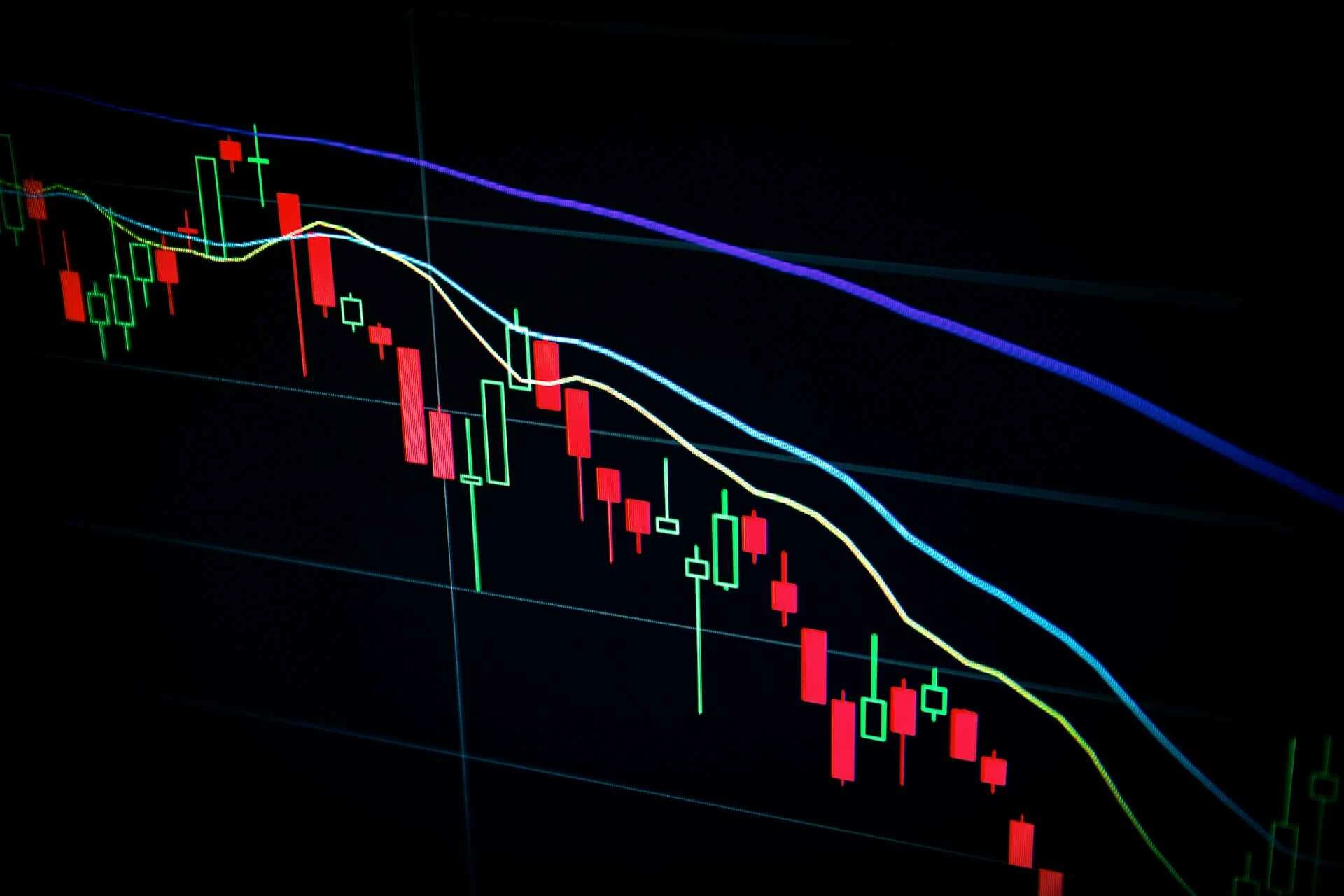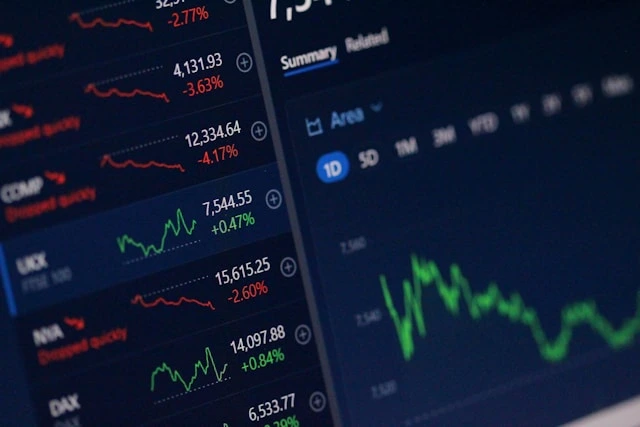
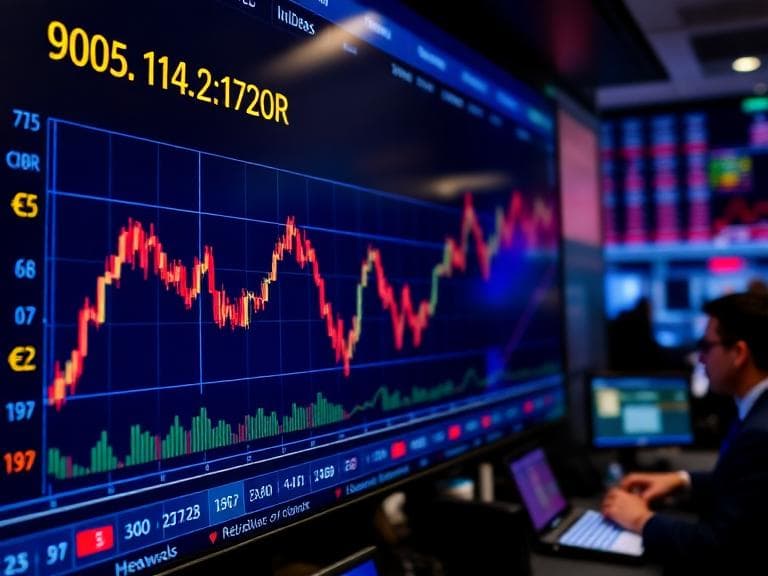
US Dollar Index Dips as Markets Await Key Central Bank Decisions This Week
The US Dollar Index dipped slightly on Monday, retreating from the ten-month peak it reached late last week. Investors appeared to take a pause ahead of a pivotal week filled with major central bank meetings around the world. Financial markets are closely watching decisions from institutions including the Federal Reserve, the European Central Bank, the Bank of England, and the Bank of Japan.
These meetings come at a tense moment for the global economy. Policymakers are trying to assess the economic consequences of the ongoing US-Israeli conflict with Iran. The situation has already pushed oil prices higher and raised fresh concerns about a potential resurgence of inflation. Investors are waiting to see how central banks balance slowing economic growth with rising energy costs.
During early European trading, the dollar index was slightly lower at about 100.27 after reaching a high late last week. The modest decline suggests traders are taking profits while waiting for clearer signals from policymakers.
Why This News Matters
Currency markets are in a cautious holding pattern as investors await guidance from the world’s largest central banks. The slight dip in the US Dollar Index reflects uncertainty over how policymakers will respond to rising oil prices and geopolitical tensions. Developments in the Middle East have already triggered inflation concerns, and the decisions made this week could influence borrowing costs, interest rates, and financial markets globally.
Safe-Haven Demand Boosted the Dollar
Despite Monday’s pullback, the US dollar has strengthened significantly since tensions in the Middle East escalated at the end of February. During periods of geopolitical instability, investors often move money into the dollar as a traditional safe-haven asset.
Currencies tied to energy-importing economies have faced pressure. The euro initially weakened before recovering to trade about 0.25% higher at $1.1442. Meanwhile, the British pound rose modestly to around $1.3252 but remains near a three-and-a-half-month low.
Market data also indicates investors have sharply reduced bearish bets against the dollar since the conflict began. Analysts believe geopolitical risks and higher oil prices have increased demand for dollar-based assets.
ING currency strategist Francesco Pesole suggested markets may pause aggressive trading activity until the central bank meetings conclude. "The fact that we have central bank meetings this week means markets have an incentive to pause and reassess," he said.
Oil Prices and the Strait of Hormuz Are Key Concerns
The ongoing conflict in the Middle East has placed significant pressure on global energy markets. One major concern is the Strait of Hormuz, a critical shipping route that carries roughly 20% of the world's oil supply.
Reports suggest the United States has discussed forming an international naval coalition with allies to help protect shipping in the region and ensure safe passage for oil tankers. Although these measures have provided some reassurance, uncertainty around the conflict continues to push oil prices higher.
Elevated energy costs pose a renewed inflation risk and complicate the policy decisions facing central banks worldwide.
Global Bond Markets Signal Rising Rate Concerns
Financial markets are increasingly pricing in the possibility that central banks may delay or even reverse expected interest rate cuts due to persistent inflation risks linked to higher energy costs.
Government bond yields have climbed across several major economies:
- German 10-year bund yields reached their highest levels since October 2023.
- French 10-year OAT yields rose to levels not seen since the 2011 European financial crisis.
- UK 10-year gilt yields climbed to a six-month high.
These movements indicate investors expect policymakers to remain cautious about easing monetary policy.
In the United States, expectations for Federal Reserve rate cuts have declined sharply. Markets now anticipate only about 20 basis points of rate cuts by the end of the year, significantly lower than previous forecasts.
Federal Reserve Faces a Difficult Policy Balancing Act
The Federal Reserve is widely expected to keep interest rates unchanged at its upcoming policy meeting. However, rising oil prices and geopolitical uncertainty are complicating the economic outlook.
The Fed’s dual mandate of controlling inflation and maintaining strong employment could come under pressure if energy costs push inflation higher while economic growth slows.
Economists believe the duration of the Middle East conflict will be a key factor. If oil prices remain elevated for several months, the Fed may delay or scale back plans to reduce borrowing costs.
Europe and the UK Also Face Inflation Risks
Officials at the European Central Bank are also expected to hold interest rates steady this week as they evaluate the economic impact of higher energy prices. ECB President Christine Lagarde has previously said the eurozone economy is resilient enough to withstand inflation shocks, though some economists remain cautious.
In the United Kingdom, the Bank of England is similarly expected to leave rates unchanged for now. However, financial markets are increasingly pricing in the possibility of a rate hike later in the year if oil prices push inflation above the bank’s 2% target.
Asia-Pacific Currencies Show Mixed Performance
Currency markets in the Asia-Pacific region showed mixed results:
- The Japanese yen strengthened slightly to about 159.35 per dollar, though it remains vulnerable due to Japan’s heavy reliance on Middle Eastern oil imports.
- The Australian dollar climbed around 0.55% to $0.7018 amid expectations that the Reserve Bank of Australia could raise interest rates again.
- The New Zealand dollar gained roughly 0.7%, while China’s yuan remained stable as investors evaluated new economic data and ongoing trade discussions between Washington and Beijing.
Analysts say the coming week could be critical for global financial markets. Central banks worldwide are assessing the economic consequences of the Iran conflict, and their decisions may determine whether the global economy faces a prolonged period of higher inflation, slower growth, or both.
Popular Posts
Comcast to Spin Off NBCUniversal and Sky Into Separate Public Companies
Alex John2026-06-29
New Illinois Laws Take Effect July 1 Including E-Bike Regulations and AI Cyberbullying Measures
Alex John2026-06-15
Honolulu Police Arrest Suspect After Early Morning Shooting Leaves Man Critically Injured
Jordan Miles2026-06-15
Air Canada Pilot Faces Charges for Flying Without Proper License from 2009 to 2025
Sophia L2026-06-13
Mississippi Residents Sue xAI and SpaceX Over Data Center Noise and Property Concerns
Michael Thompson2026-06-09
Taylor Lautner and Wife Tay Reveal They’re Expecting a Baby Girl
Emily Johnson2026-06-08