After a weekend marked by a powerful bomb cyclone and heavy snow, much of the United States is bracing for more extreme cold and hazardous conditions into Monday morning. Forecasters warn that frigid temperatures will linger across a vast stretch of the country, from the Gulf Coast into New England, complicating recovery efforts and causing ongoing disruptions.
The recent storm, which brought heavy snowfall, flight cancellations, and treacherous road conditions, has left millions shivering in subfreezing temperatures. Although temperatures are rising in some places, dangerous cold is in place, with officials advising people to be on the alert for the bitter cold.
Widespread Cold Warnings and Record-Low Temperatures
Approximately 150 million Americans were under cold weather advisories or extreme cold warnings on Sunday. Meteorologists emphasized that temperatures in southern states could dip into single digits, with South Florida experiencing the coldest air mass in over three decades—the coldest since December 1989, according to the National Weather Service.
This was explained by Peter Mullinax, a meteorologist at the NWS office located in College Park, Maryland. According to him, the cold weather that the region is experiencing right now is one of the most severe cold snaps the nation has seen in recent years, with record-breaking low temperatures and dangerous wind chills being felt throughout the region.
Heavy Snowfall and Hazardous Road Conditions in North Carolina
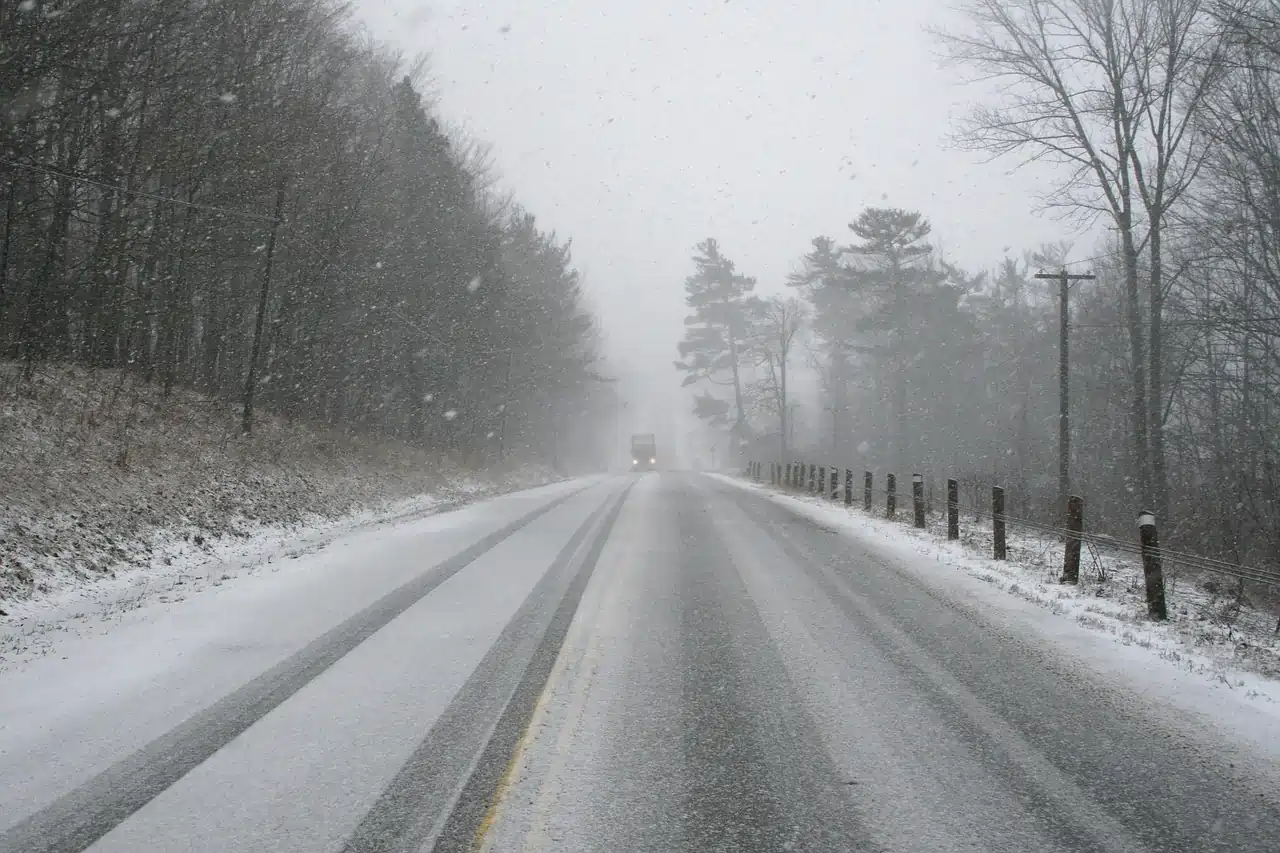
North Carolina was one of the regions that was affected most by the heavy snowfall from the storm, with some areas receiving more than 18 inches (45 centimeters) of snowfall. James City had 18 inches of snowfall, while Swansboro had 17 inches of snowfall, according to the National Weather Service. Charlotte, the most populated city in the state, had close to a foot (30 centimeters) of snowfall, making it one of the top five snowfall events in the history of the city.
The storm, known as a bomb cyclone—a rapidly intensifying weather system—also caused major disruptions on the ground. Interstate 85 near Charlotte was clogged with traffic after a multi-vehicle crash involving semitractors and passenger vehicles. The incident led to hours-long backups, and North Carolina officials reported over 1,000 traffic collisions and two fatalities related to the treacherous conditions.
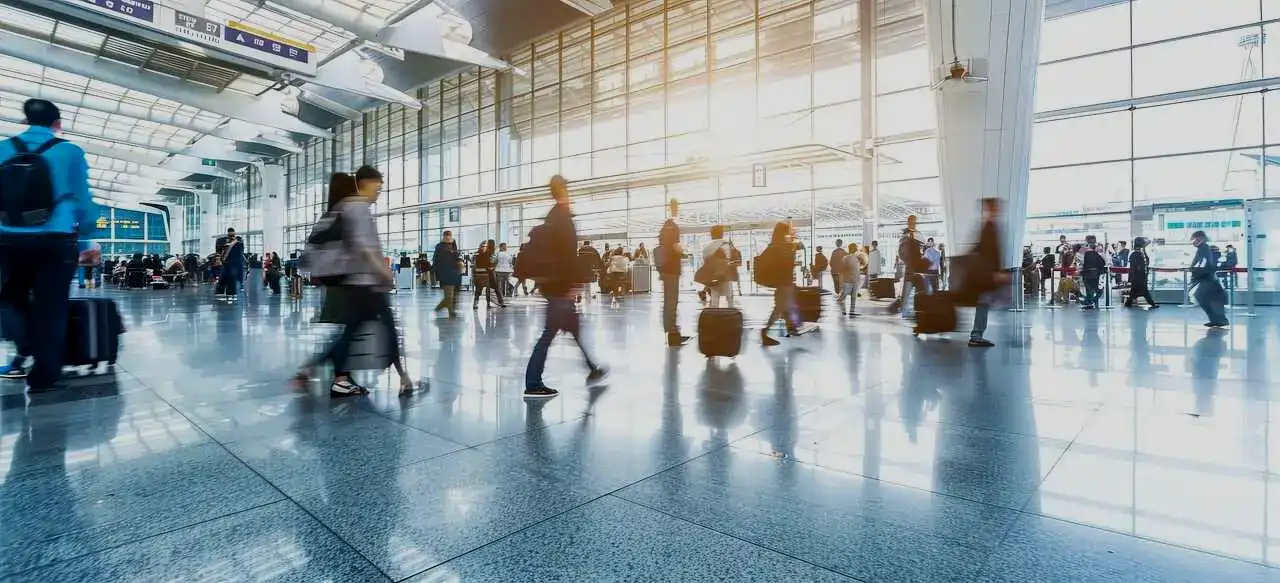
This is because the effects of the storm were also felt in transportation systems. On Saturday, there were cancellations of over 2,800 flights across the country. On Sunday, there were 1,800 cancellations. According to FlightAware, Charlotte Douglas International Airport canceled over 800 flights on Sunday.
Harsh Conditions Persist on the Ground and in the Air
There were widespread problems and accidents because of the harsh weather conditions. According to the North Carolina Highway Patrol, there were many accidents and people were advised to be cautious while traveling.
Meanwhile, in the Carolinas, residents are dealing with the aftermath of the storm, including snowdrifts up to two feet high outside homes. Susan Sawin, a North Carolina resident from Kitty Hawk on the Outer Banks, described her experience: “It was blowing around like crazy,” she said. “The house shook.” Despite the heavy snow and strong winds reminiscent of a nor’easter, Sawin was grateful her power remained on. She noted she closed her bookstores over the weekend and planned to stay closed on Monday.
In an unusual twist, a beachfront house in Hatteras Island collapsed into the surf amid heavy waves and storm surge, highlighting the storm’s destructive power along the coast.
Unusual Cold in Florida and Agricultural Impact
The storm’s reach extended into Florida, where temperatures plummeted into the 20s in the Panhandle and the 30s in South Florida. Snow flurries were reported in the Tampa-St. Petersburg area, an uncommon sight in the Sunshine State. In South Florida, cold-stunned iguanas—normally dormant during cold weather—were seen lying motionless on the ground, some potentially dying after prolonged exposure to the extreme cold.
This cold snap also affected the local agriculture industry, as ice formed on strawberries and oranges, which are crucial to the local economy. Farmers sometimes spray water on the trees and plants to protect them from the freezing temperatures; however, the cold weather is a danger to the local produce.
Casualties, Power Outages, and Ongoing Struggles
Over 110 deaths have occurred in the United States since late January due to the winter storms and the weather conditions accompanying them. Thousands of people have lost power due to the cold weather and the winter storms. Over 81,000 power outages have occurred in Tennessee and Mississippi as of Sunday night, according to poweroutage.us.
The storm’s impact on transportation and daily life remains severe. Emergency officials reported hundreds of accidents, road closures, and fatalities related to icy roads and storm conditions. North Carolina Governor Josh Stein confirmed more than 1,000 traffic collisions and two deaths from the recent storm.
Looking Ahead: Continued Cold and Potential Snowfall
Meteorologists warn that the cold snap will persist into the middle of the week. Mullinax noted that parts of the Ohio Valley and Mid-Atlantic—including Washington and possibly New York City—could see additional light snowfall on Tuesday and Wednesday.
While temperatures will slowly increase in some regions, the ongoing cold, combined with gusty winds, will keep conditions dangerous for the foreseeable future. Residents across the U.S. are advised to remain cautious, stay warm, and heed weather warnings as the frigid weather continues to grip much of the country.
In summary, after a weekend of heavy snow and damaging storms, the U.S. faces yet more frigid temperatures and challenging conditions. From the South to the Northeast, communities are dealing with the fallout of one of the most intense cold spells in recent memory, with many still recovering from the storm’s destructive aftermath.
Popular Posts

Comcast to Spin Off NBCUniversal and Sky Into Separate Public Companies
Alex John2026-06-29
Global Markets Mixed as Investors Weigh U.S.-Iran Talks and Fed Outlook
Dana Katherine2026-06-22
New Illinois Laws Take Effect July 1 Including E-Bike Regulations and AI Cyberbullying Measures
Alex John2026-06-15
Honolulu Police Arrest Suspect After Early Morning Shooting Leaves Man Critically Injured
Jordan Miles2026-06-15
Mississippi Residents Sue xAI and SpaceX Over Data Center Noise and Property Concerns
Michael Thompson2026-06-09
Taylor Lautner and Wife Tay Reveal They’re Expecting a Baby Girl
Emily Johnson2026-06-08