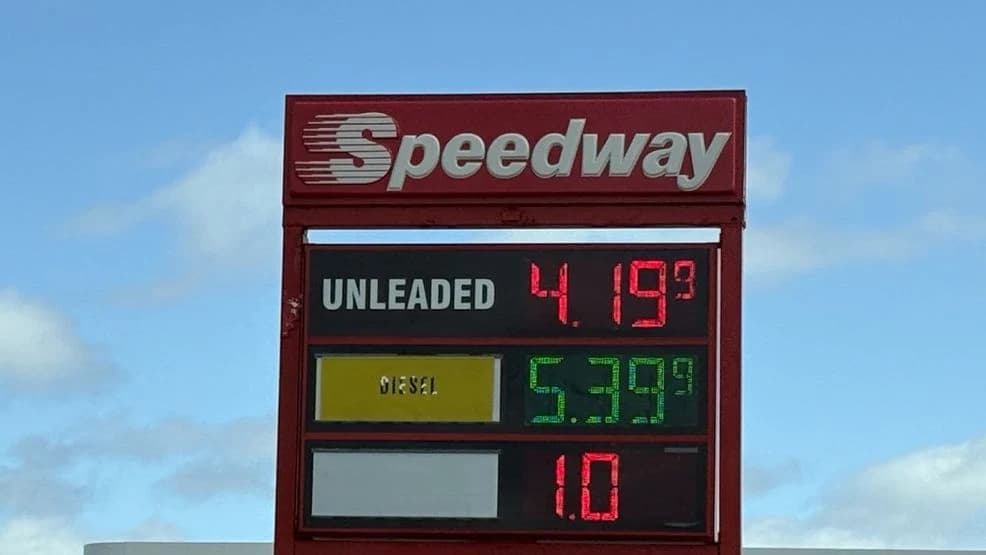
US gas prices have surpassed $4 a gallon, a threshold that hasn't been breached since 2022. This surge is primarily a consequence of the continuing war in Iran, which has driven up gasoline prices worldwide.
AAA reports that the average price nationwide for a gallon of regular gasoline hovers around $4.02. That's over a dollar more than what it was prior to the onset of the war. Prices have risen by more than 30% since the United States and Israel bombed Iran in late February.
The hike is a significant increase from roughly $2.98 per gallon a month ago and the highest monthly jump compared to prior shocks, including Hurricane Katrina and the Ukraine war.
Crude oil prices in the United States increased by more than 50% in March, reaching $100 a barrel for the first time since 2022.
The spike comes as the war has interrupted oil supply routes, particularly through the Strait of Hormuz, which accounts for approximately 20% of world oil shipments.
Why This News Matters:
People feel the pain of gas prices going up to $4 every day. It suddenly costs a lot more to fill up your tank, and that pressure quickly spreads to groceries, deliveries, and travel. The spike is directly related to the war in Iran, which is making it hard for oil to get to other countries, especially through the Strait of Hormuz, which moves a lot of oil. In short, a war far away is now affecting people's wallets at home.
Global Impact and Economic Pressure
Motorists around the world are also dealing with rising gasoline prices. In Paris, gas has hit around $10 per gallon.
Higher fuel costs are affecting individuals and companies, pushing many customers to cut back on other areas as the cost of living rises.
More expensive fuel raises the cost of utilities, transportation, and everyday commodities, adding to overall inflationary pressures.
Analysts are sounding the alarm: higher transportation costs could lead to increased prices for groceries and shipping. The United Postal Service, grappling with rising fuel costs, is mulling over an 8% surcharge for certain services.
Diesel prices, which affect freight and delivery, have risen to roughly $5.45 per gallon, a significant increase from pre-war levels.
Supply Disruptions and Energy Crisis
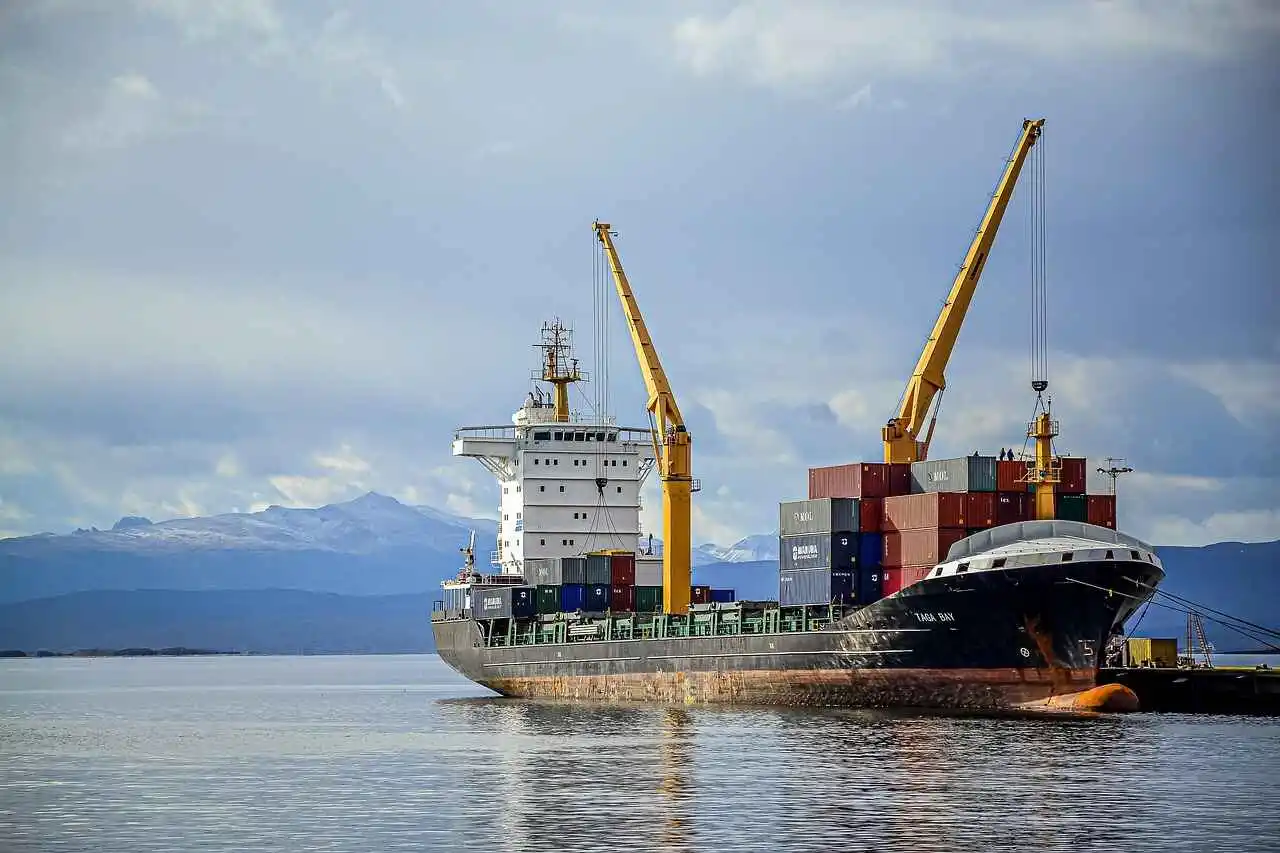
Supply chain disruptions have occurred due to the ongoing conflict, and tanker traffic through the Strait of Hormuz has all but stopped.
Major Middle Eastern oil producers have reduced output due to a limited ability to export crude, and attacks on oil and gas infrastructure by Iran, Israel, and the United States have exacerbated supply problems.
The International Energy Agency promised to release 400 million barrels of oil from emergency stockpiles, including those from the United States.
To boost supply, the United States is tapping its Strategic Petroleum Reserve and easing sanctions on Venezuela and Russia.
Analysts, though, anticipate that new supplies will take a while to arrive at their destinations. Refineries, after all, often purchase crude oil well in advance.
Government Response and Future Outlook
The Trump administration took steps to cut expenses. Among these were loosening shipping rules tied to the Jones Act and rolling back fuel regulations. The Environmental Protection Agency has approved expanded sales of E15 gasoline and may extend emergency waivers if necessary.
Vice President JD Vance warned consumers of "a rough road ahead," but added that prices should fall after the fight is over.
Experts warn that even if oil prices fall, gasoline costs will take longer to fall. "Gas prices go up like a rocket and come down like a feather," expert Tom Kloza explained.
Analysts warn that if problems continue and the Strait of Hormuz stays sealed, petrol prices could rise to $5 per gallon, resulting in a "race against time."
What to Watch Next:
Watch the war and, more importantly, the routes that oil takes to get to you. Prices might find some equilibrium if the Strait of Hormuz reopens or if hostilities subside, though it won't happen immediately. Gas prices could go up even more, maybe even to $5 a gallon, if the fighting goes on or gets worse. Also, keep an eye on government actions like releasing reserves or changing policies. These could help, but probably only slowly.
Popular Posts

Copenhagen Named World’s Most Livable City Again in 2026 Economist Ranking
Emily Johnson2026-07-09
Extreme Heat Forces Amtrak and NJ Transit Cancellations Across Northeast Ahead of Fourth of July Travel Surge
Sophia L2026-07-06
Global Markets Mixed as Investors Weigh U.S.-Iran Talks and Fed Outlook
Dana Katherine2026-06-22
New Illinois Laws Take Effect July 1 Including E-Bike Regulations and AI Cyberbullying Measures
Alex John2026-06-15
Honolulu Police Arrest Suspect After Early Morning Shooting Leaves Man Critically Injured
Jordan Miles2026-06-15
Air Canada Pilot Faces Charges for Flying Without Proper License from 2009 to 2025
Sophia L2026-06-13