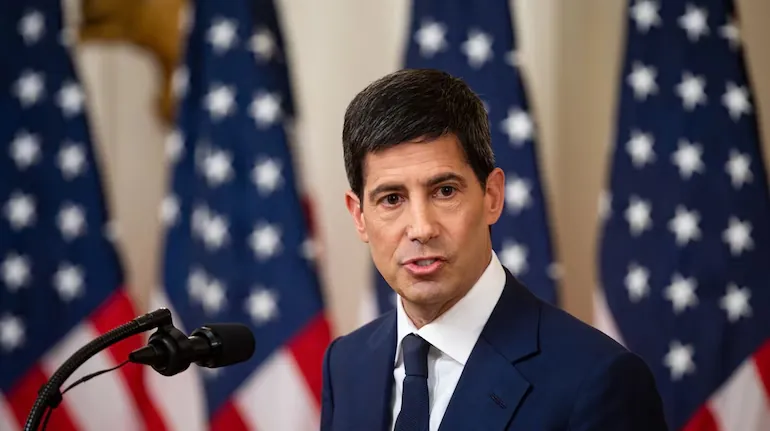
Federal Reserve Chair Kevin Warsh is facing a pivotal test as policymakers consider an interest-rate increase amid persistent inflation pressures, higher energy prices and growing economic uncertainty. Investors are closely watching the Federal Reserve's decision for signs of how the new chair will balance price stability with economic growth.
The Federal Reserve is widely expected to consider a quarter-point increase in its benchmark interest rate as policymakers respond to inflation data, rising oil prices and strains linked to global conflicts. The decision could influence borrowing costs, financial markets and expectations for the broader U.S. economy.
Warsh's position has attracted particular attention because of the political pressure surrounding monetary policy. President Donald Trump has advocated lower interest rates to support economic growth, while Warsh has emphasized that Federal Reserve decisions should be guided by economic conditions and the central bank's independence.
Fed's Concerns About Inflation, Oil Prices and AI Investment
A combination of economic forces has complicated the Federal Reserve's outlook, including inflation that remains above its 2% long-run target, higher energy costs and a surge in investment in artificial intelligence infrastructure.
Higher oil prices can feed into transportation, production and household costs, creating another challenge for policymakers seeking to bring inflation under control. Conflict in the Middle East has also increased uncertainty surrounding global energy supplies, adding to concerns that further increases in energy prices could slow progress toward price stability.
At the same time, businesses are investing heavily in artificial intelligence data centers, semiconductors and advanced computing infrastructure. The investment boom could improve productivity and support longer-term economic growth, but its scale has also prompted questions about financial risks and the sustainability of some technology-sector spending.
Federal Reserve officials must determine whether current inflation pressures are temporary or likely to persist. A higher interest rate would signal continued concern about inflation, while also increasing borrowing costs for households and businesses and potentially putting additional pressure on financial markets.
Warsh's Relationship With Trump Puts Fed Independence in Focus
The prospect of a rate increase has renewed attention on the relationship between Warsh and President Donald Trump. Trump's calls for lower borrowing costs have raised questions about how the new Fed chair will navigate political expectations while maintaining the central bank's independence.
Warsh has indicated that monetary policy should respond to economic conditions rather than political demands. A decision to raise rates could therefore become an important test of how the Federal Reserve operates amid heightened political scrutiny.
Supporters of Fed independence argue that policymakers need the freedom to make unpopular decisions when necessary to maintain price stability and preserve confidence in monetary policy. Warsh has also avoided relying heavily on forward guidance, instead emphasizing the importance of responding to changing economic data.
Investors are consequently watching both the rate decision and Warsh's communication. Markets will be looking for indications of whether a potential increase represents a one-time adjustment or the beginning of a broader period of tighter monetary policy.
World Markets Await Fed Decision for Economic Impact
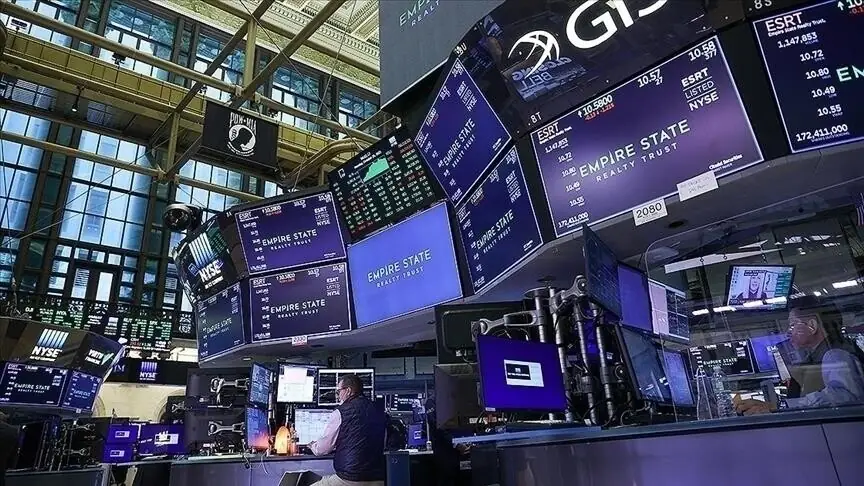
The Federal Reserve's next move could have significant effects on financial markets in the United States and abroad. Changes in interest rates influence mortgages, business investment, consumer spending, currency values, bond yields and stock-market valuations.
Higher rates generally increase borrowing costs and can place greater pressure on companies whose valuations depend heavily on future growth. Higher discount rates can also reduce the present value of expected future earnings, potentially affecting technology companies and other high-growth sectors.
Bond markets are also responding to expectations surrounding monetary policy, while changes in U.S. interest rates can influence the value of the dollar. A stronger dollar can attract foreign investment but may also reduce the value of overseas earnings for U.S. multinational companies when converted back into dollars.
Central banks around the world are closely watching the Federal Reserve because changes in U.S. monetary policy can affect currency markets, capital flows and inflation conditions internationally. Economists remain divided over the risks: moving too quickly could weigh on economic growth and employment, while insufficient action against inflation could damage the Fed's credibility and require more aggressive measures later.
For Warsh, the decision represents more than a monetary-policy adjustment. It is an early test of his leadership, communication and ability to navigate economic uncertainty while maintaining the Federal Reserve's institutional independence.
Sources: AP News; New York Times; Wall Street Journal