Asian financial markets faced renewed uncertainty on Monday, November 23, following a sharp selloff on Wall Street that raised concerns about the sustainability of the artificial intelligence investment boom. Investors across the region remained cautious despite an early rebound in US stock futures, as technology shares continued to face pressure and concerns about interest rates weighed on market sentiment.
The latest decline followed a difficult week for US equities, with the S&P 500 entering correction territory and the Nasdaq recording its steepest weekly decline since March 2020. The selloff also spread to commodities and other financial assets, prompting investors to reassess their exposure to riskier investments. Governments and regulators in several Asian economies have introduced or prepared market-support measures as concerns about further volatility grow.
Wall Street Selloff Raises Concerns Across Asian Markets
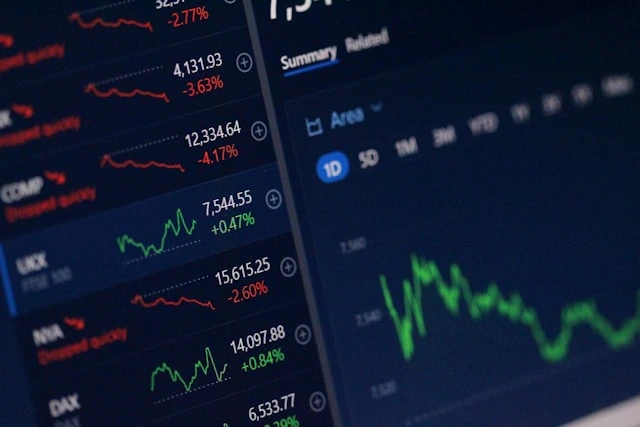
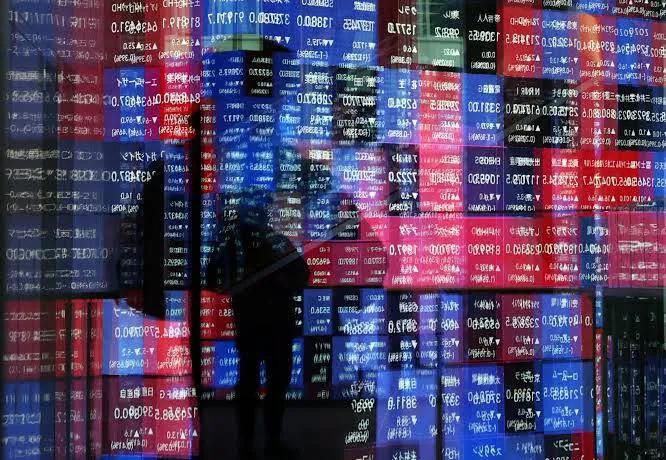
Asian stocks came under pressure on Monday after major US technology shares suffered another significant decline at the end of the previous week. South Korea's Kospi fell sharply, while markets in Hong Kong, China and Taiwan also recorded losses. Japan's financial markets remained closed for a public holiday.
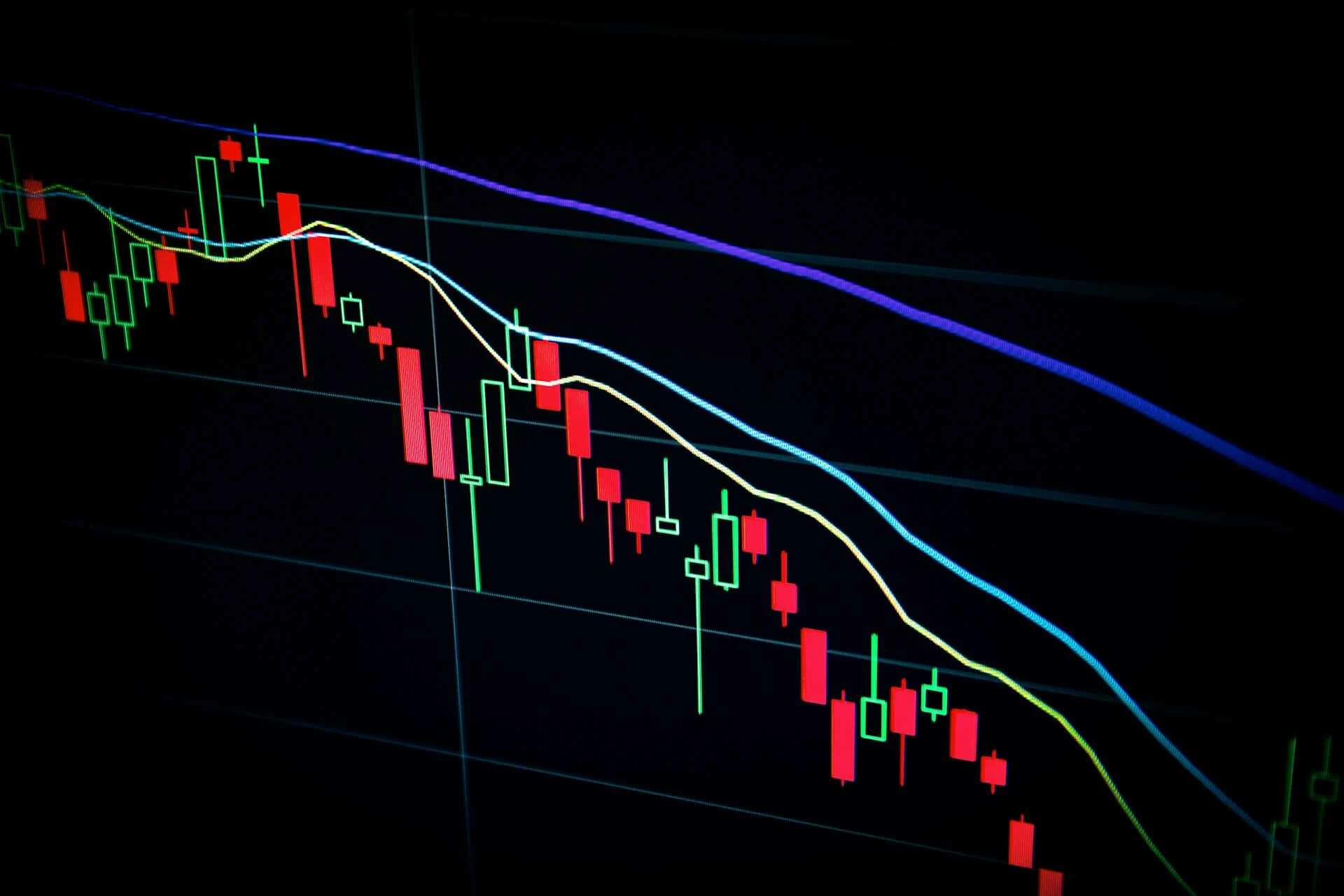
The pressure followed Friday's steep losses on Wall Street. The S&P 500 dropped 3.7%, moving more than 10% below its October record and officially entering correction territory. The Nasdaq Composite fell 5.3%, while the Dow Jones Industrial Average declined 1.9%. The Nasdaq also turned negative for the year, reflecting the scale of the recent technology-sector downturn.
Technology and semiconductor companies were among the biggest contributors to the decline. Investors have increasingly questioned whether the enormous spending commitments made by major technology companies to develop artificial intelligence infrastructure will generate sufficient returns.
The concerns have extended beyond US markets. Reuters reported that global equities experienced their steepest weekly decline since 2020, with Japanese and South Korean shares among the markets facing substantial selling pressure. Taiwan's benchmark also recorded its largest weekly decline in decades, highlighting the exposure of Asian technology companies to changes in global investor sentiment.
AI Investment Concerns and Interest Rate Uncertainty Drive Selling
Uncertainty surrounding artificial intelligence spending has emerged as a major factor behind the recent market downturn. Technology companies have committed substantial amounts of capital to data centres, advanced chips and computing infrastructure. However, investors are increasingly examining whether the expected financial returns can justify the scale of these investments.
The concerns have affected semiconductor manufacturers and companies closely connected to the AI supply chain. Shares of major chipmakers have faced heavy selling, while the broader technology sector has experienced a reassessment of valuations. Investors are also questioning whether the pace of AI-related investment can continue without placing additional pressure on corporate borrowing and cash flows.
Interest rate expectations have added another layer of uncertainty. Investors are monitoring the Federal Reserve's position as concerns about inflation and the possibility of further monetary tightening influence financial markets. The VIX volatility index, often known as Wall Street's fear gauge, rose to 35.89 on Friday, its highest level since April 2025, reflecting increased demand for protection against market swings.
The selloff has also affected traditional safe-haven assets. Investors moved towards US Treasury bonds during the downturn, while gold and silver experienced significant losses. Market participants are now watching upcoming US inflation figures for further indications of the Federal Reserve's likely policy direction.
Asian Governments Introduce Measures to Stabilise Financial Markets
Authorities across Asia have begun responding to the market turbulence with measures aimed at supporting investor confidence and limiting excessive volatility. China announced plans to reduce minimum margin requirements for investors purchasing shares with borrowed money. The change is intended to make leveraged stock purchases more accessible and support activity in the domestic equity market.
Taiwan has widened restrictions on short selling and reported purchases of shares following a severe decline in its benchmark index. South Korea has also announced plans to ease daily limits on corporate share buybacks for three months and prepare a stock-market stabilisation fund that could be activated if conditions deteriorate further.
Despite the pressure across Asian equities, US stock futures rebounded during early Monday trading. Contracts linked to the S&P 500 and Nasdaq 100 moved higher, suggesting some investors were looking for opportunities after the previous week's losses. However, the recovery in futures did not immediately translate into stronger sentiment across Asian markets, where technology shares remained under pressure.
Investors are now preparing for a holiday-shortened trading week in the United States, with Thanksgiving approaching and important inflation data expected before the holiday. The combination of AI investment concerns, monetary policy uncertainty and falling technology valuations is likely to remain central to market discussions as traders assess whether the recent selloff represents a temporary correction or a deeper reassessment of global equity markets.