
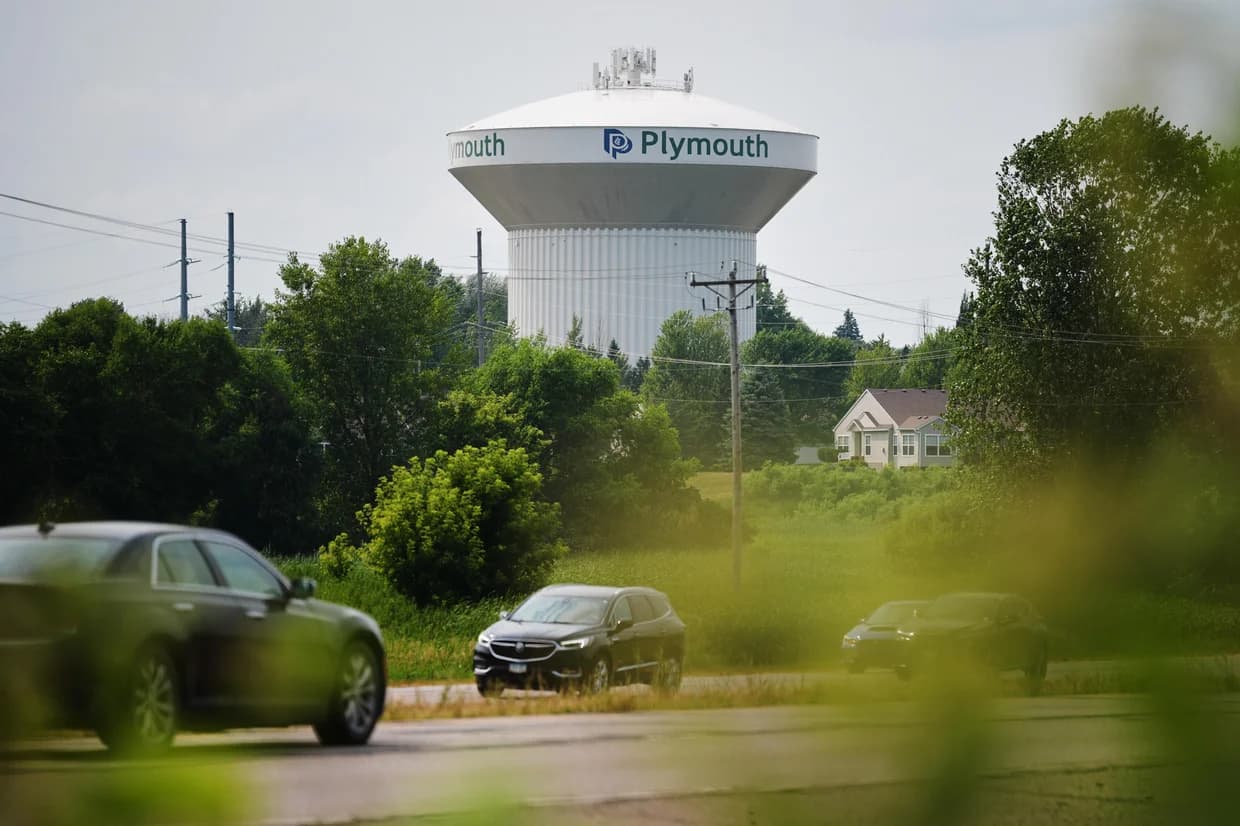
U.S. authorities are investigating whether hackers linked to Iran were responsible for a cyberattack targeting more than 30 municipal water systems across Minnesota, raising fresh concerns about the security of America's critical infrastructure. Federal and state cybersecurity officials said the attacks targeted operational technology used by local water utilities, prompting an extensive investigation into the origin and scope of the incidents.
The suspected attacks come amid heightened tensions between the United States and Iran, increasing concerns that cyber operations could become a significant front in broader geopolitical conflicts. Investigators are examining possible connections to Iranian cyber groups, although officials have not publicly attributed responsibility to any specific organization.
While the incidents did not result in widespread disruptions to drinking water quality or public health, several affected communities implemented precautionary measures and conducted comprehensive system reviews as cybersecurity experts worked to secure vulnerable infrastructure.
Federal Investigators Examine Possible Iranian Connection
Federal agencies are investigating whether the attacks were part of a coordinated campaign conducted by hackers with ties to Iran. More than 30 municipal water utilities across Minnesota were reportedly affected, prompting assistance from state and federal cybersecurity specialists.
Officials cautioned that cyber attribution is often complex because attackers frequently disguise their identities, route attacks through multiple countries, or leave misleading digital evidence. The investigation remains ongoing as experts analyze forensic data and network activity.
Authorities emphasized that determining the source of sophisticated cyberattacks requires careful technical analysis before any formal conclusions can be announced.
Operational Technology Systems Were Targeted
The cyberattacks focused on operational technology systems that help manage water treatment facilities, monitor equipment, regulate water pressure, and oversee other critical utility functions. Although no widespread water contamination occurred, disruptions to these systems can significantly impact local operations.
Cybersecurity experts have long warned that many smaller water utilities lack the resources and technical staff needed to defend against increasingly sophisticated cyber threats. The incidents highlight the growing vulnerability of essential public infrastructure to foreign cyber operations.
Officials said the attacks reinforce the need for stronger protections across critical infrastructure sectors that millions of Americans rely on every day.
Utilities Switched to Manual Operations During Response
Several affected utilities temporarily implemented manual operating procedures while cybersecurity teams investigated unauthorized network activity and restored secure operations. Officials confirmed there were no reports of contaminated drinking water or significant public health impacts linked to the incidents.
Although service disruptions were limited, some communities experienced operational delays as technicians reviewed and secured affected systems. Emergency response plans and backup procedures helped utilities continue providing safe drinking water throughout the investigation.
Experts said the incidents demonstrate why critical infrastructure operators should regularly test emergency response plans and strengthen cybersecurity defenses before attacks occur.
FBI and CISA Assist Cybersecurity Investigation
The Federal Bureau of Investigation (FBI) and the Cybersecurity and Infrastructure Security Agency (CISA) are assisting with the investigation and coordinating the federal response. Both agencies have previously warned that foreign government-backed hackers continue targeting water and wastewater systems throughout the United States.
Federal officials are encouraging utility operators to improve cybersecurity by strengthening network protections, installing security updates promptly, limiting internet access to operational technology, and implementing stronger authentication measures.
The agencies continue working with local governments to identify vulnerabilities and reduce the risk of future cyber incidents affecting essential public services.
Growing Concerns Over Critical Infrastructure Security
The suspected Iranian connection has renewed concerns about the increasing role of cyber operations in international conflicts. U.S. officials have repeatedly warned that foreign governments continue targeting critical infrastructure sectors, including energy, transportation, communications, and water systems.
Security experts noted that attacks on water infrastructure are particularly concerning because they directly affect local communities and essential public services. Even when physical damage is avoided, cyber intrusions can disrupt operations and undermine public confidence.
The Minnesota incidents also highlight ongoing cybersecurity challenges facing smaller utility systems that often operate with limited budgets and technical resources.
Protecting America's Critical Infrastructure
The investigation underscores the growing importance of protecting critical infrastructure from foreign cyber threats. Federal agencies, state governments, and local utility operators continue working together to strengthen cybersecurity across thousands of water systems nationwide.
Although investigators have not officially attributed the attacks to Iran, the incidents demonstrate the evolving cyber risks facing essential infrastructure. Officials said lessons learned from the Minnesota investigation will help improve national cybersecurity defenses and strengthen resilience against future attacks targeting vital public services.
Sources: CBS News, Associated Press, BBC News