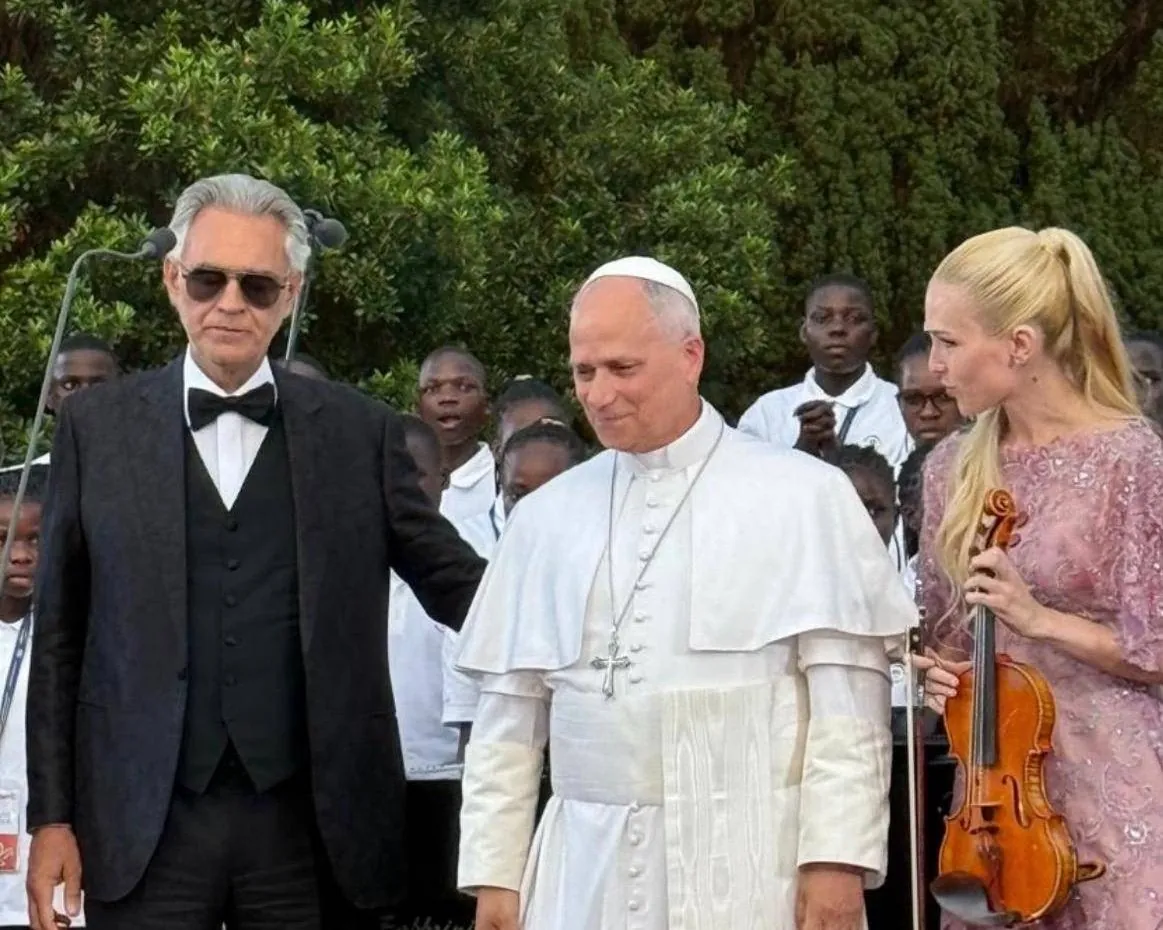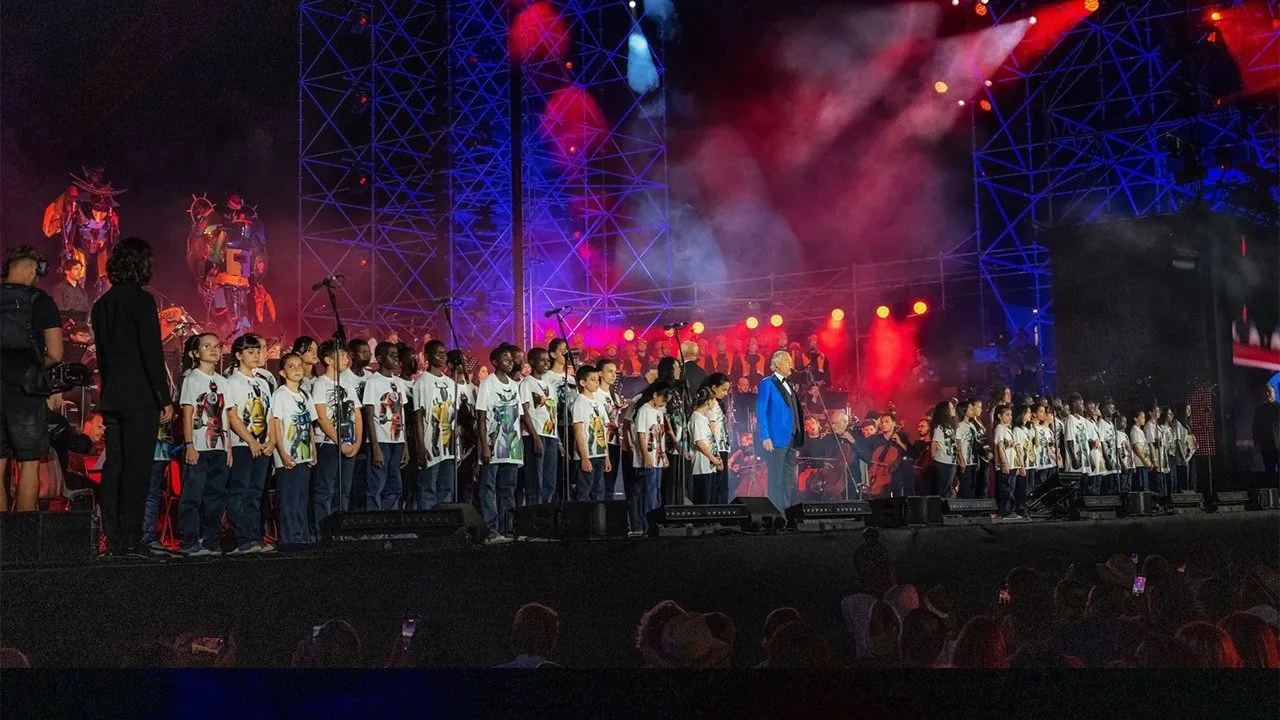
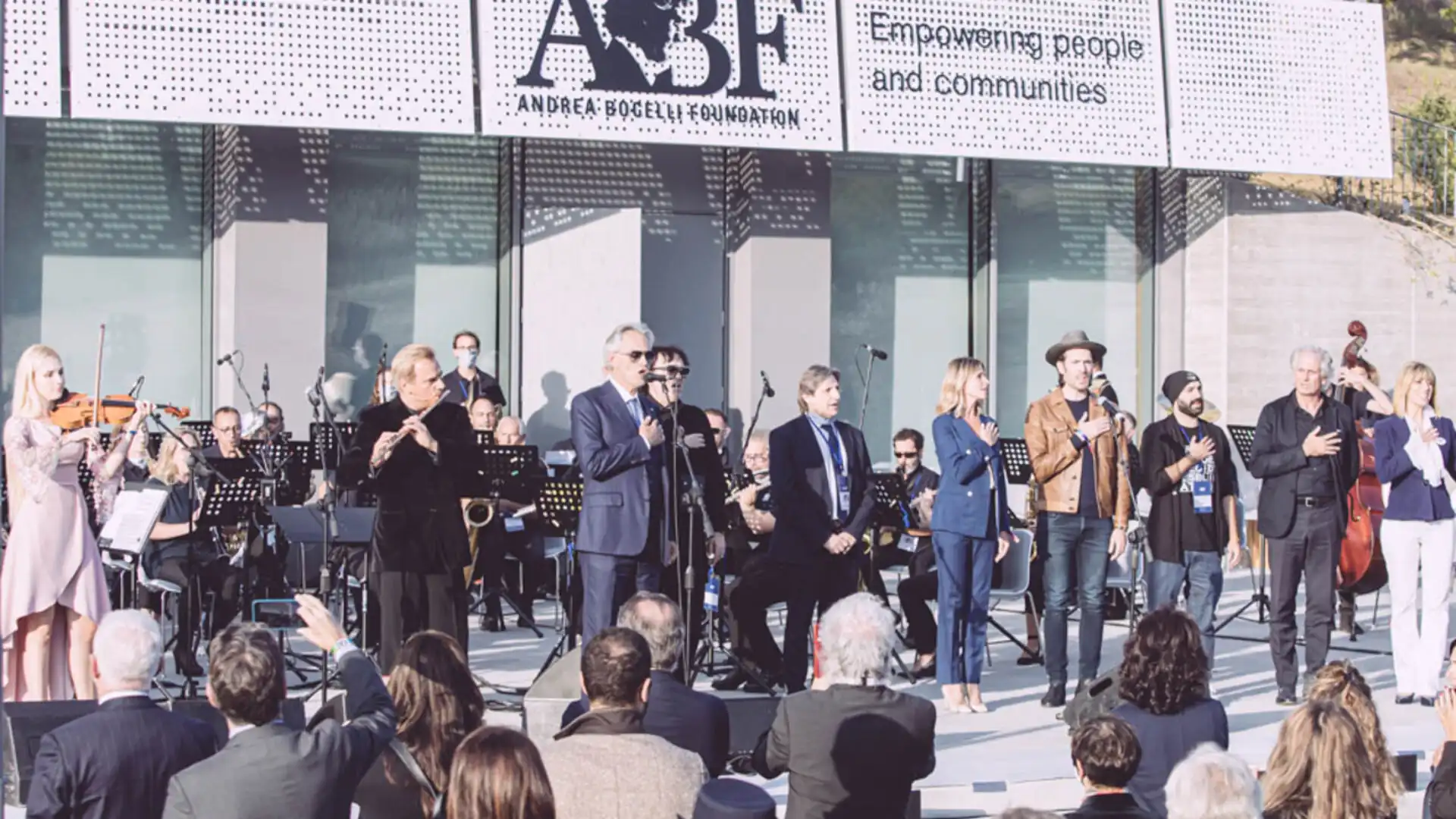
Camerino, a town in Italy's Marche region, was one of the local origins of singers in the Andrea Bocelli Foundation's first Voices Of Global Gathering. In July 2026, children and young people from its music program joined peers from Naples, Uganda, Jerusalem and Bethlehem for ten days in Italy. The gathering ended with Canticle of Peace at Castel Gandolfo, where Pope Leo XIV addressed the combined choir and Andrea Bocelli performed with it.
Camerino's place in the story is rooted in an ongoing educational project. The town's young singers were not recruited solely for a papal appearance.
The town has a long scholarly tradition. The University of Camerino traces its origins to the fourteenth century and describes the city as an important medieval center of learning. More recently, Camerino was badly affected by the earthquakes that struck central Italy in 2016. The university and ABF both describe damage to the historic town and its institutions.
The foundation became involved in reconstruction and education across the Marche region after the disaster. Its published project account says it built or supported new schools in nearby Sarnano and Muccia and then turned to a new music academy in Camerino, replacing a structure damaged by the earthquakes.
ABF identifies the "Franco Corelli" Music Academy as part of that work. Its project account describes the academy as a permanent place for music education and a point of reference for the community.
The foundation's 2022 "Voices of Peace, Italy" announcement described a choir involving children from the earthquake area and young Ukrainian refugees, with training at the academy in Camerino and an ABF school in Muccia. That earlier choir performed at the Teatro del Silenzio.
The 2026 Global Gathering built on a different scale, drawing together established local groups from several places. The 2026 itinerary began with shared activities and rehearsals and included a July 25 appearance at the Teatro del Silenzio, a planned July 27 performance at the Quirinale and the July 29 gathering at Borgo Laudato si'. ABF's announcement named Camerino as one of five local origins.
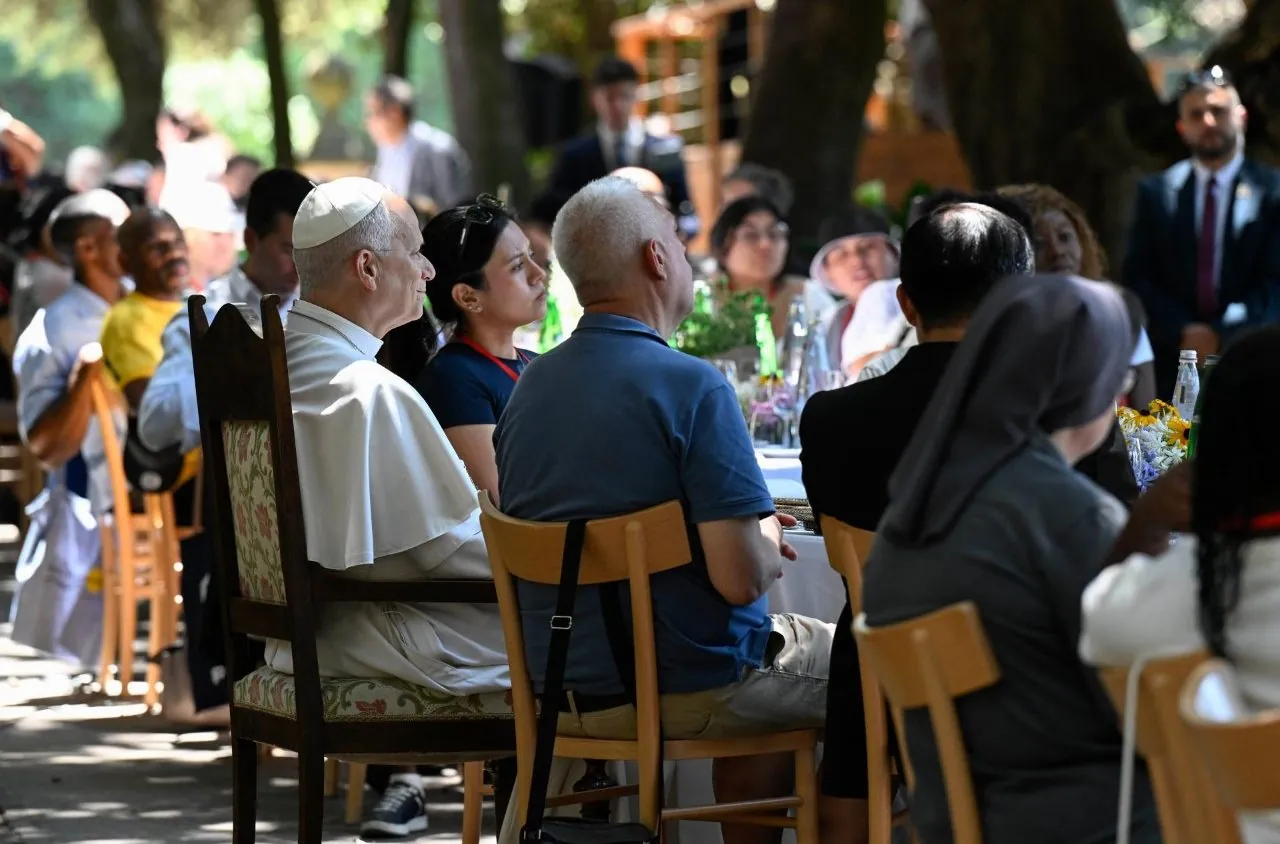
The Vatican counted 164 choristers at the final event, but did not state how many came from Camerino. Pope Leo XIV welcomed young people from Italy, Uganda and the Holy Land and thanked their directors for preparing the music. His remarks framed the choir as a sign of cooperation among distinct voices. They were not a report on the pace of Camerino's reconstruction or an assessment of the academy.
That distinction matters because disaster recovery is long and uneven. Rebuilding a music school can restore a place for lessons and rehearsals, but it does not by itself repair every loss caused by an earthquake.
ABF's stated aims include continuity of music education, a suitable permanent structure and a tangible sign that everyday life is returning. Those goals are specific and can be examined over time. A visit to a papal venue may bring attention to the young singers, but the relevant local question is whether access to instruction and a stable place to learn continue after the visitors and cameras have gone.
The Camerino and Naples projects also show why "Italian choir" is a broad label. Naples's Voices Of work is based in the Rione Sanita with Fondazione San Gennaro. Camerino's work is tied to the Marche region and the aftermath of the 2016 earthquakes. Both came under ABF's educational model, but each had a different local partner setting and history.
The Global Gathering brought those groups into one ensemble without erasing the reasons their home programs were formed.
Camerino's connection to Canticle of Peace thus runs from earthquake recovery to music education and then to an international performance. The sources establish ABF's academy project, an earlier local choir initiative and the town's inclusion in the 2026 gathering. They do not establish the individual experiences or later achievements of the singers.
Reporting the documented institutions and timeline gives the town its proper place in the story while leaving children's private histories to be told, if at all, by people who know them.
Sources: