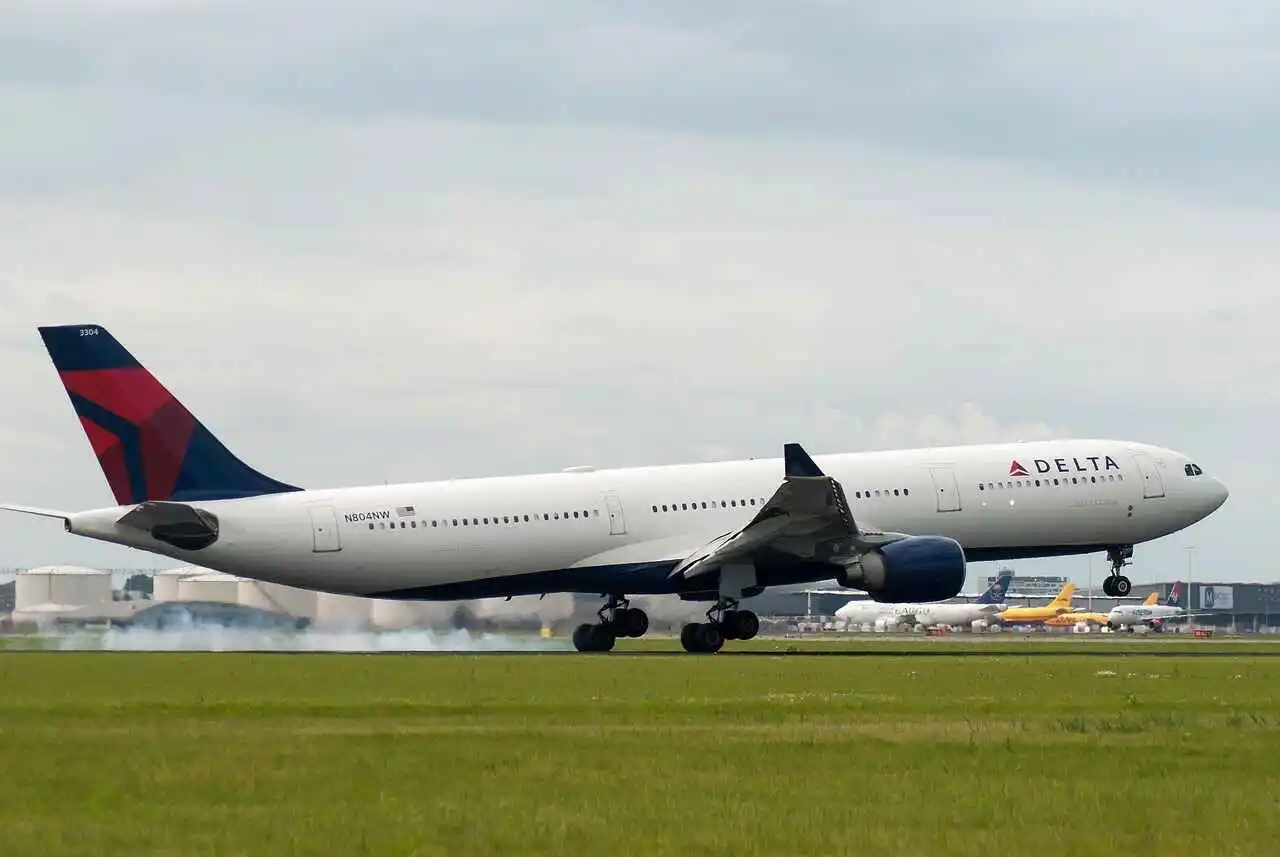

Delta Air Lines has postponed the planned launch of its nonstop passenger service between Atlanta and Riyadh, Saudi Arabia, until March 2027, citing an evolving geopolitical situation and security concerns across the region. The airline had originally scheduled the route to begin on October 23, 2026. The decision, announced on October 12, represents a change to Delta's planned expansion into the Saudi market.
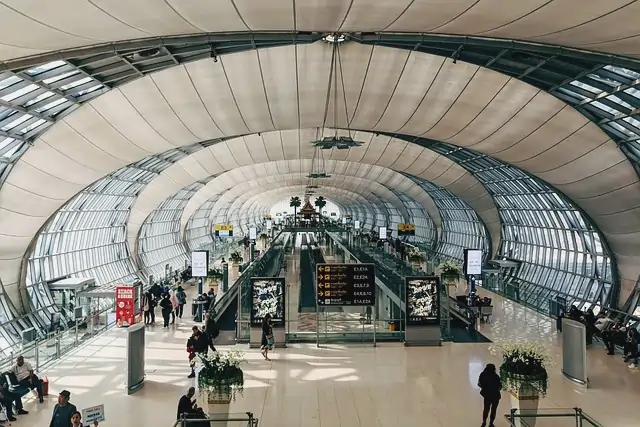
The postponement follows reported attacks on King Khalid International Airport in Riyadh and heightened concerns about commercial aviation safety. The U.S. Federal Aviation Administration has warned American carriers to exercise caution when operating flights to or over Saudi Arabia, while airlines have reviewed schedules and diverted or canceled services amid regional tensions.
A Notice to Air Missions cited by Reuters said Riyadh's airport was expected to remain closed until 2100 GMT on October 17. The reported closure added uncertainty for airlines and passengers as authorities assessed the evolving security environment.
The Atlanta–Riyadh route would mark Delta's first direct passenger service to Saudi Arabia and was planned as the only nonstop connection between the United States and Riyadh operated by a U.S. carrier. Despite the delay, Delta has maintained its long-term interest in the Saudi market, emphasizing that passenger and employee safety remain central to its operating decisions.
Delta Reassesses Launch Plans Following Riyadh Airport Attacks
Delta's decision came after reported attacks on King Khalid International Airport over the weekend. The attacks have been attributed in reports to Yemen's Iran-aligned Houthi movement, raising concerns about the safety of commercial aviation infrastructure and contributing to travel disruption across the region.
The incidents prompted airlines to review operating schedules and authorities to assess potential risks to passengers, aircraft and airport facilities. In a security environment that can change quickly, military activity, airport closures and airspace restrictions can affect both existing services and planned route launches.
On October 11, the U.S. Federal Aviation Administration issued an advisory urging U.S. airlines to exercise caution when flying to or over Saudi Arabia. Reuters also reported, citing an aviation notice, that Riyadh's airport was expected to remain closed until 2100 GMT on October 17.
The closure and related operational uncertainty created additional challenges for carriers serving the kingdom. By postponing the new route until March 2027, Delta has more time to monitor developments and reassess conditions before beginning service. The revised schedule does not amount to a declared withdrawal from the Saudi market, although the eventual launch remains dependent on safety assessments and operational requirements.
Atlanta–Riyadh Route Is Part of Delta's International Expansion
The planned Atlanta–Riyadh service forms part of Delta's strategy to expand its international network and establish a direct connection between the United States and Saudi Arabia. The route was announced as a future addition to the airline's network and was intended to connect its Atlanta hub with the Saudi capital.
The postponement means travelers will have to wait until March 2027 at the earliest for the planned nonstop service. The route is intended to provide direct access for passengers traveling for business, tourism and other purposes between the two markets.
According to Reuters, Delta's planned service would be the first direct passenger route to Saudi Arabia operated by the airline. United Airlines and American Airlines have served the kingdom through codeshare partnerships, while Delta's proposed nonstop flight would create a direct U.S.-operated connection to Riyadh.
Delta has also developed a partnership with Riyadh Air, the Saudi carrier seeking to expand its international presence. The U.S. airline said it was working with government and aviation partners while monitoring developments and assessing conditions for the route's launch.
The delay therefore changes the timetable rather than indicating that Delta has abandoned its Saudi expansion plans. The commercial opportunities associated with a direct connection must be weighed against the practical requirements of operating safely and reliably in a changing regional security environment.
Passenger Safety and Regional Uncertainty Affect Aviation Plans
The postponement highlights how geopolitical instability can affect airline schedules, route development and international travel beyond the immediate location of a conflict. Before launching or maintaining services, airlines must assess airport operations, airspace restrictions, government advisories and security risks affecting aircraft and passengers.
For travelers planning future trips between the United States and Saudi Arabia, the revised schedule creates uncertainty about when the planned nonstop option will become available. Passengers with existing bookings affected by airline schedule changes should check Delta's official website or mobile app for current flight information and any applicable rebooking or refund options.
Airlines operating across the Middle East face additional planning challenges because security developments can change flight availability and operating conditions at short notice. The reported disruption at Riyadh airport illustrates how an incident at a major transport hub can affect a wider regional aviation network.
March 2027 is the revised target for Delta's Atlanta–Riyadh launch, not a guarantee that the route will begin on that date. The airline will need to continue monitoring regional conditions and coordinating with aviation authorities and partners before service can commence.
For now, Delta's decision reflects the role of safety assessments in international route planning. The airline continues to signal long-term interest in Saudi Arabia, while the timing of its entry will depend on whether the planned service can operate safely and reliably.