California Governor Gavin Newsom has signed SB 1392, known as “Jay Leno’s Law,” expanding smog check exemptions for qualifying classic collector vehicles. The legislation creates a phased pathway for certain collector cars built between 1976 and 1985 to become exempt from California’s smog testing requirements.
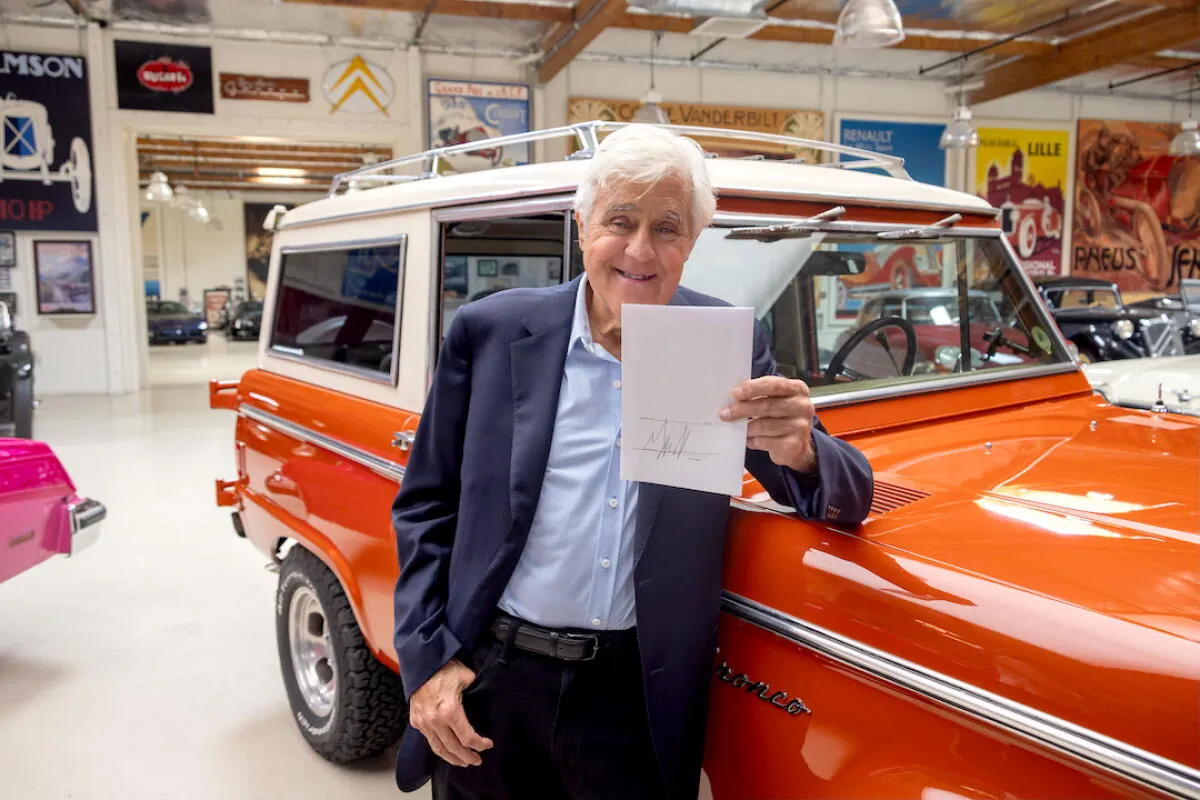
The bill was signed at Jay Leno’s garage in Burbank, where the longtime car collector joined officials for the announcement. Leno supported the legislation, arguing that collector vehicles are generally maintained carefully, driven infrequently and serve a different purpose from everyday commuter vehicles.
Under the new system, exemptions will be phased in beginning in 2028 rather than applying immediately to every older vehicle. Eligibility will gradually expand to include newer model years through 2033, subject to the requirements established under the law.
New Rules Create Gradual Pathway for Collector Vehicles
SB 1392 does not automatically exempt every vehicle within the affected model years. The law specifically targets qualifying collector vehicles, meaning owners must satisfy applicable registration, usage and other eligibility requirements.
Beginning in 2028, qualifying collector vehicles manufactured before the 1981 model year will be eligible for the new exemption. The threshold is scheduled to move forward each year, reaching vehicles manufactured before the 1986 model year in 2033.
The distinction between collector vehicles and ordinary transportation is central to the legislation. Eligible cars are generally intended for limited recreational, exhibition or preservation use rather than regular commuting. Requirements may include restrictions related to vehicle use, registration, insurance and annual mileage.
Supporters of the legislation argue that collector cars represent a relatively small share of vehicles on California roads and are typically driven far fewer miles than everyday passenger vehicles. Classic-car owners and automotive groups have also emphasized the expense involved in maintaining and restoring historically significant automobiles.
Critics of expanded exemptions have raised concerns about California’s air-quality goals and the role of emissions testing in reducing vehicle pollution. The new law therefore establishes a targeted exemption for qualifying collector vehicles rather than broadly removing smog requirements for older cars.
Jay Leno and California's Automotive Heritage
The signing of SB 1392 has drawn attention from California’s large classic-car community. Leno has been among the most prominent supporters, highlighting the distinction between vehicles preserved for historical and recreational purposes and cars used for everyday transportation.
California has a long automotive tradition that includes hot rods, lowriders, classic American cars, restoration communities and car clubs. Officials supporting the legislation have connected the measure to that broader cultural history.
Newsom has also highlighted classic cars, drive-ins, car clubs and lowrider culture as parts of California’s automotive heritage. The governor signed separate legislation establishing a specialty license plate recognizing the state's lowrider heritage, adding another measure focused on automotive culture.
For collectors, the new exemption could reduce the administrative burden associated with maintaining qualifying vehicles. Supporters also say that preserving and operating older automobiles helps maintain mechanical and automotive history.
The legislation received bipartisan support in California, reflecting agreement among lawmakers who supported recognizing collector vehicles while retaining restrictions intended to address environmental concerns.
California Takes a Targeted Approach to Classic Car Regulation
SB 1392 reflects an ongoing debate over how historic and collector vehicles should be treated under California’s environmental regulations. The state’s emissions policies have generally focused on reducing pollution from vehicles used regularly, while supporters of the new law argue that limited-use collector cars present a different regulatory situation.
The new exemption is based on the purpose and use of qualifying vehicles rather than age alone. This approach allows California to preserve existing emissions requirements for ordinary transportation while creating a separate pathway for eligible collector automobiles.
The legislation could also have implications for restoration businesses, parts suppliers, automotive events and enthusiast organizations throughout California. The state has a large network of businesses and specialists serving owners of vintage and collector vehicles.
Implementation will depend on how eligibility requirements are administered and how state agencies apply the new exemption program. Older vehicles will not automatically be released from all emissions-related obligations, and owners will need to satisfy the specific conditions established by the law.
Jay Leno’s Law ultimately creates a limited exemption framework intended to recognize California’s classic-car heritage while maintaining broader emissions regulations. For owners of qualifying collector vehicles, the phased program could make it easier to preserve and enjoy historically significant automobiles without extending the exemption to older vehicles used as ordinary daily transportation.
Sources: Los Angeles Times; ABC7; Fox LA