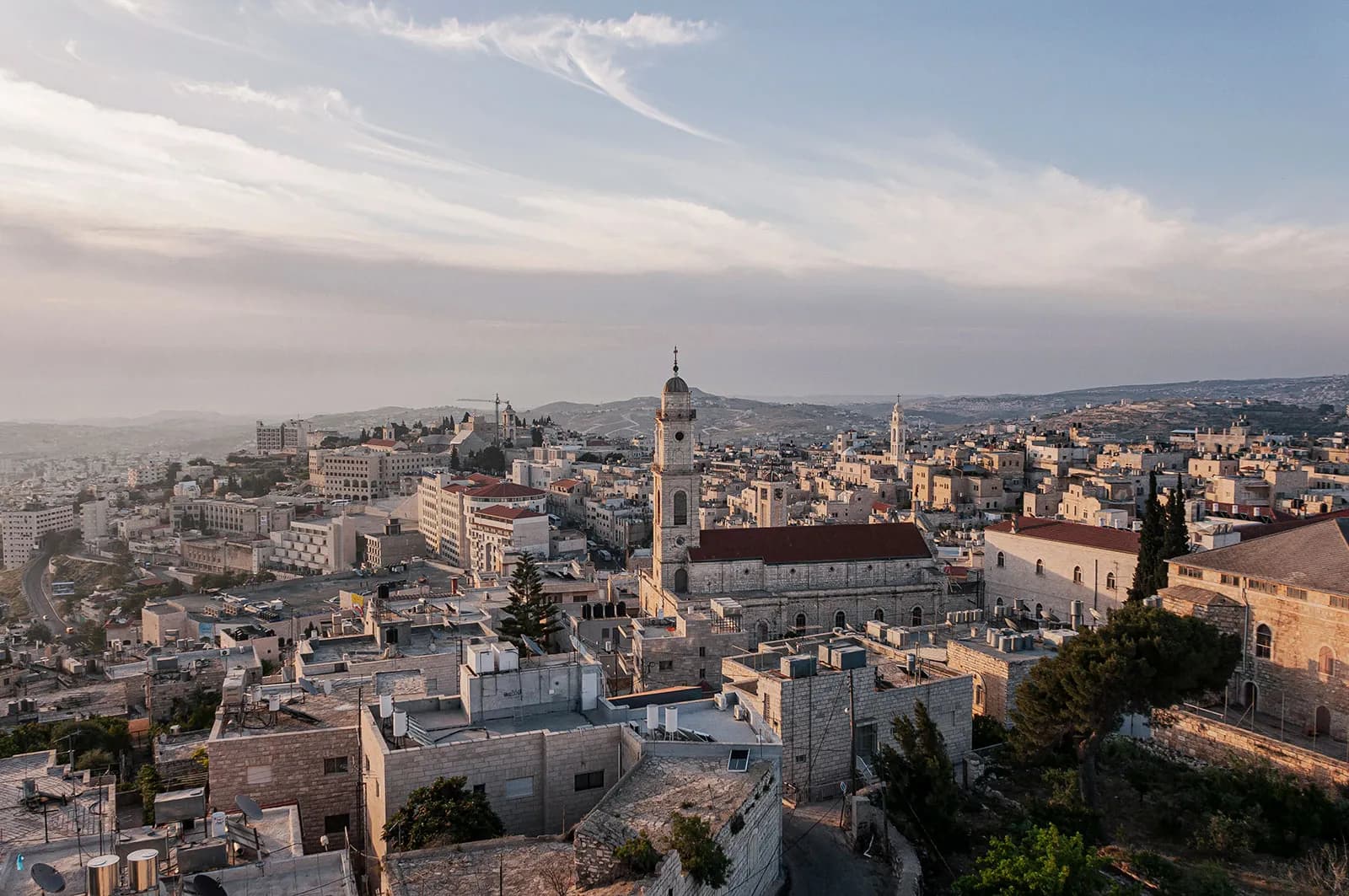
Bethlehem was one of the home communities named by the Andrea Bocelli Foundation for the young singers at its first Voices Of Global Gathering in July 2026. The town lies in the West Bank, south of Jerusalem, and holds a central place in Christian tradition. ABF's July announcement paired Bethlehem with Jerusalem as sources of choristers from the Holy Land. Those young people joined others from Uganda and Italy for ten days in Italy, ending with Canticle of Peace before Pope Leo XIV at Castel Gandolfo.
The foundation's reference to Bethlehem identifies a local part of the youth program; it does not supply a roster of individual children or an exact number from the town.
Bethlehem is widely known for the Church of the Nativity. UNESCO describes the church and a traditional pilgrimage route as a World Heritage site connected to the place Christians have long identified with the birth of Jesus. The first church on the site was completed in the fourth century; the present basilica has a sixth-century core and later alterations. The heritage area includes several churches and convents associated with different Christian communities.
This history gives Bethlehem an importance that reaches far beyond the 2026 event. Yet the town is also a living community of homes, schools and institutions, not simply a religious landmark. A profile of young singers from Bethlehem should avoid reducing them to their town's symbolism.
ABF's published program material says its Jerusalem project has worked in both Jerusalem and Bethlehem, in partnership with the Magnificat Institute. An Italian project page describes a plan for the choir to remain active in the two places as circumstances required. The foundation's broader Voices Of program uses choral practice to develop musical and social skills among children living in socially vulnerable settings.
The precise local arrangements can change, and the sources reviewed do not identify which school or rehearsal venue each 2026 singer used. It is sound to describe Bethlehem as part of the Holy Land component of ABF Voices; it would be unsound to imply that every participant came from the same parish, background or experience of conflict.
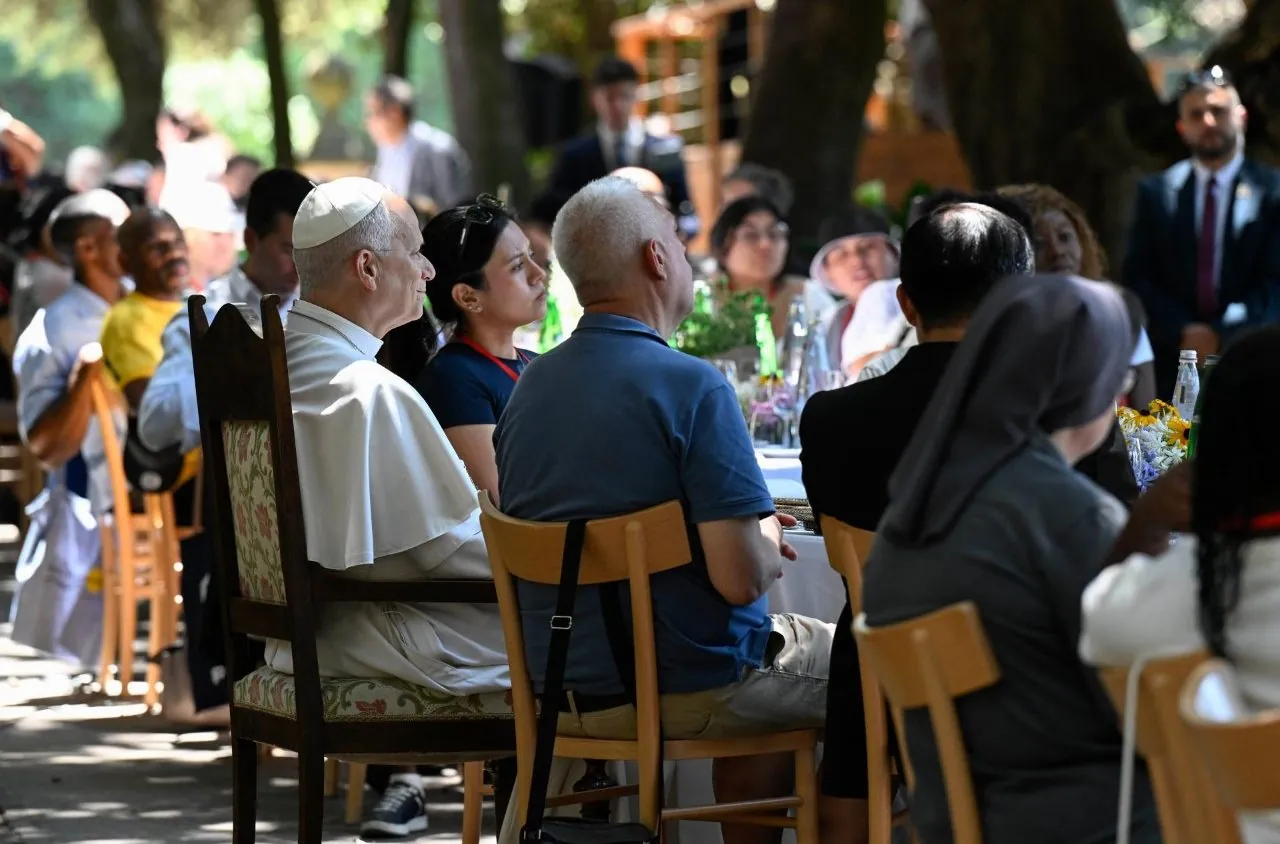
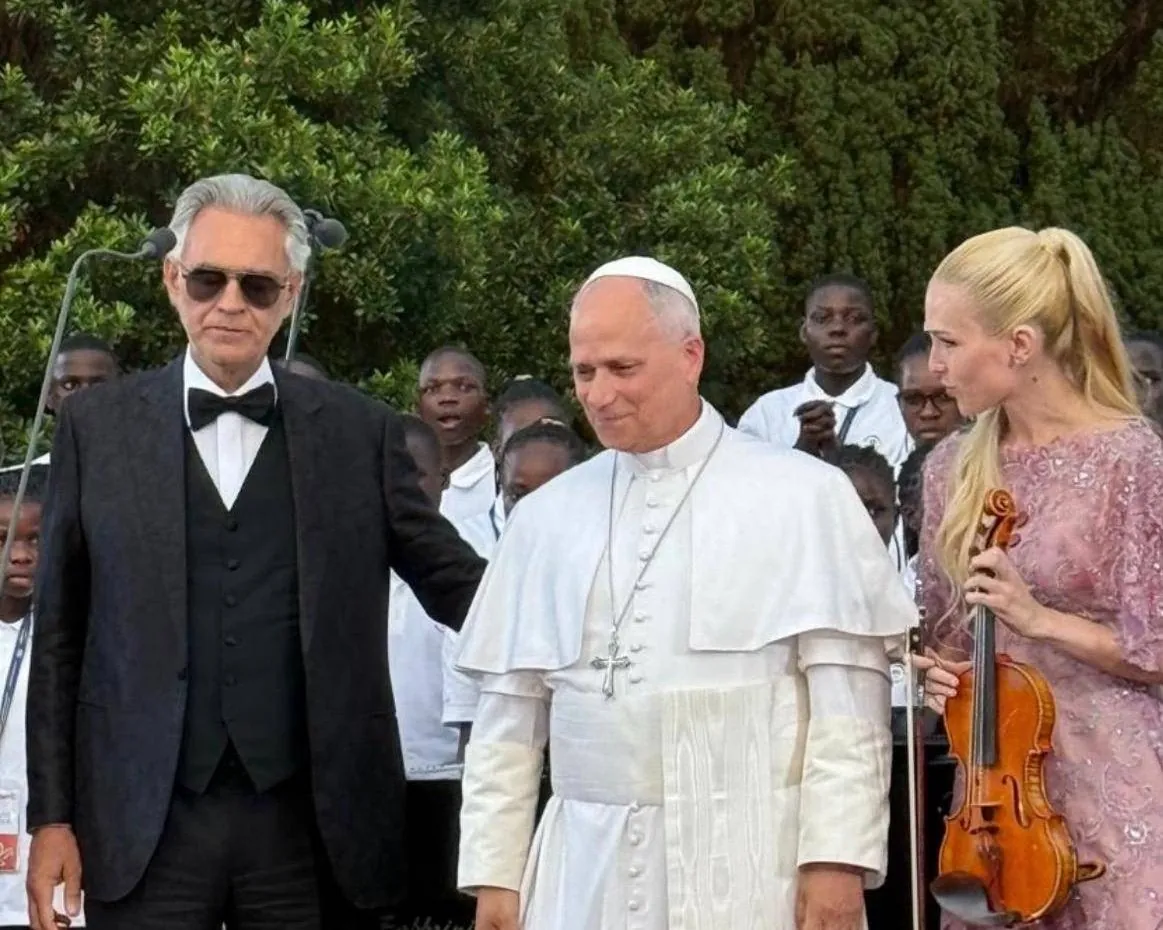
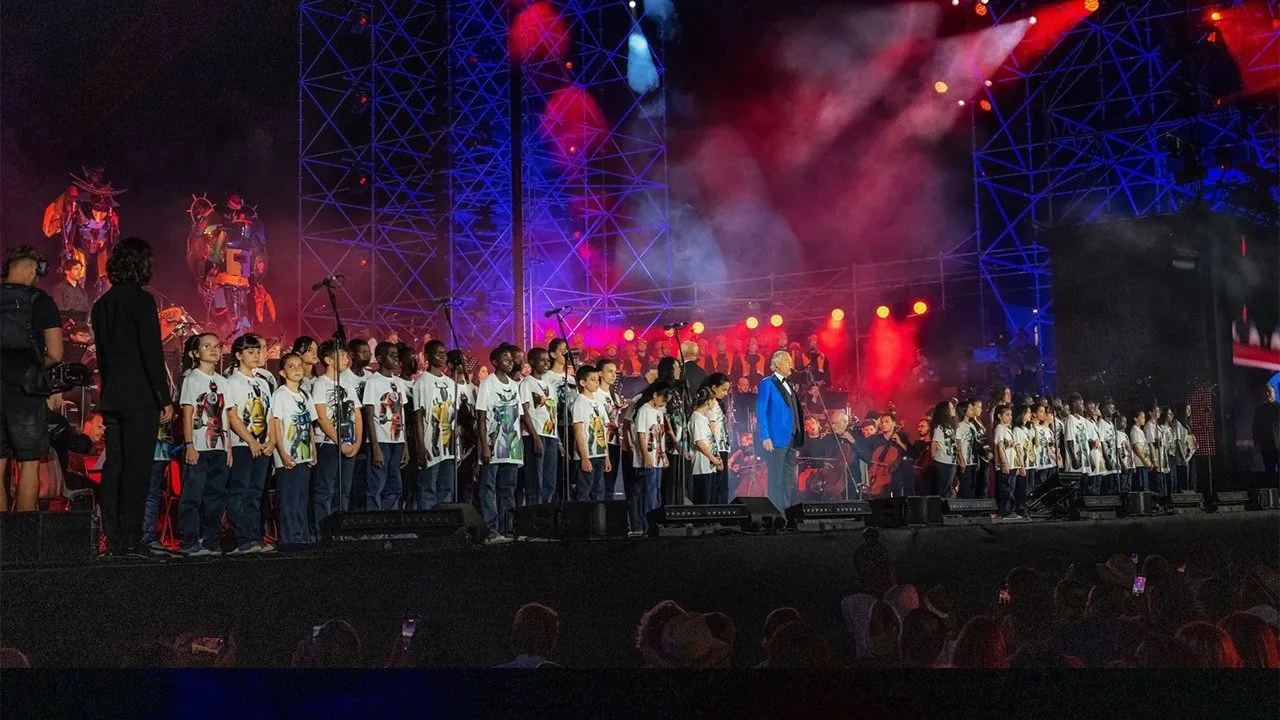
During the Global Gathering, the Bethlehem participants met peers from Jerusalem, rural Uganda and two Italian projects. ABF said the ten-day program involved rehearsals, cultural exchange and activities beyond music. The group performed with Andrea Bocelli at the Teatro del Silenzio, had a planned visit to the Quirinale and ended at Borgo Laudato si' on July 29.
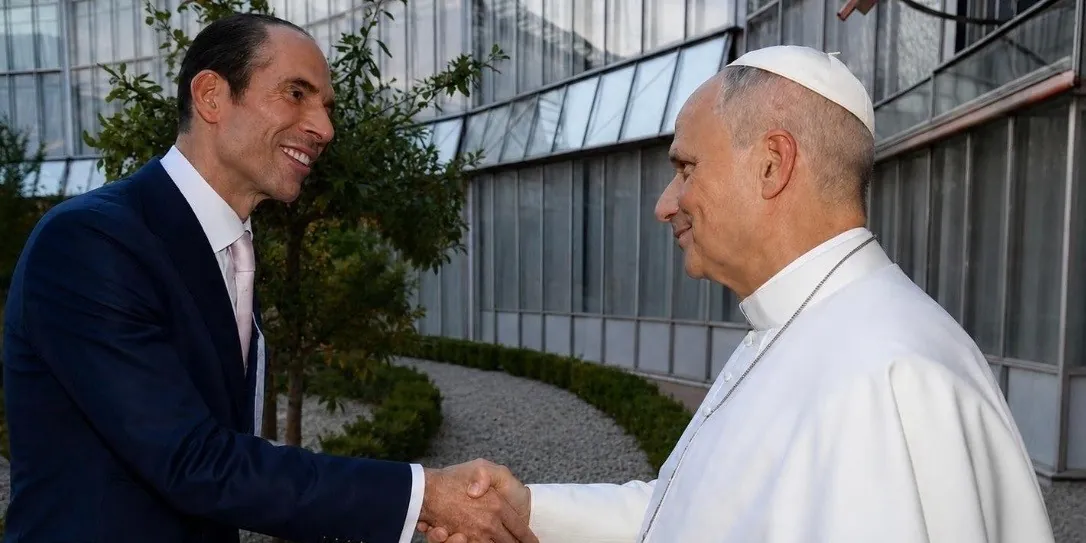
The Vatican counted 164 singers at the final gathering. Pope Leo XIV welcomed young people from the Holy Land, Uganda and Italy and prayed for peace in places marked by violence. His address spoke to the group as a whole. It should not be presented as a personal statement about every child from Bethlehem.
The town's religious history and present political setting can make its presence in a peace gathering feel especially charged. Responsible writing should resist treating the children as stand-ins for a political position. They were participants in an educational choir, and their own voices were heard through the music.
ABF's educational claims concern opportunities for self-expression, collaboration and inclusion. They are not a claim that a performance solved the conditions affecting Bethlehem or the wider region.
Bethlehem also clarifies a source discrepancy in the wider event record. The Vatican's advance release listed the Holy Land, Uganda, Haiti and Italy among the choir's origins, while the Pope's address and post-event Vatican News report referred to the Holy Land, Uganda and Italy. ABF's more detailed announcement identified Bethlehem and Jerusalem among five local groups of traveling young singers. Its Italian version said Haiti was represented by a choir director. A background page about Bethlehem can rely on the specific ABF list, while a general event page should acknowledge that the advance accounts did not align perfectly.
The strongest Bethlehem pillar content therefore joins three facts: the town's significance, the existence of ABF's local Holy Land choir work, and the documented 2026 trip to Italy. It leaves room for future reporting from local educators and singers but does not fill that space with invented first-person experience.
The children's participation gave a historic place a contemporary voice at Castel Gandolfo, within a program whose results depend on continuing work at home.
Sources: