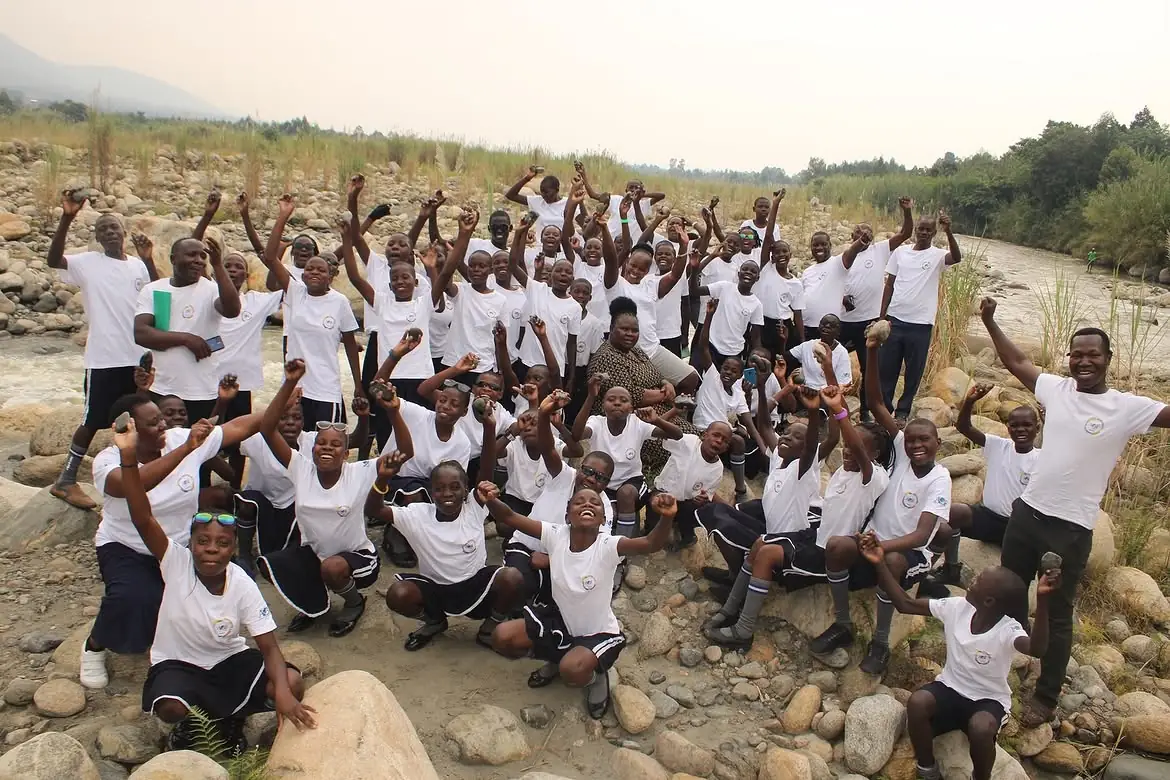
Nabikabala is the rural Ugandan village named by the Andrea Bocelli Foundation as the home of one group of young singers in its first Voices Of Global Gathering. The village is in Namutumba District. ABF's Uganda project is based at the local school with African Soup Uganda, a partner organization that works with children and families through education and community programs.
In July 2026, singers from Nabikabala joined peers from the Holy Land and Italy for ten days of music and cultural exchange. The journey ended at Canticle of Peace, where Pope Leo XIV addressed the combined choir at Castel Gandolfo.
The village setting helps explain the form of ABF's project. On its Uganda page, the foundation says access to educational and cultural opportunities can be limited in rural areas. It presents the school as a community anchor and the choir as a stable setting in which children can rehearse, build relationships and develop skills. The listed activities include weekly sessions, social and emotional learning within rehearsals, and gradual involvement of teachers, families and the wider community.
These are ABF's stated program activities and intentions. They are more specific than a general claim that music automatically changes lives.
ABF says the Nabikabala project began in 2024. Its project account lists consolidation during 2024 and 2025 and participation in the 2026 Global Gathering as a later phase. That timeline matters because it places the Italian trip within an existing local activity. Children did not need to be defined only by their visit to Europe. Their choir had a home setting, adult support and ongoing practice before they met the other delegations.
Any educational benefit from the trip would also have to connect back to those local relationships.
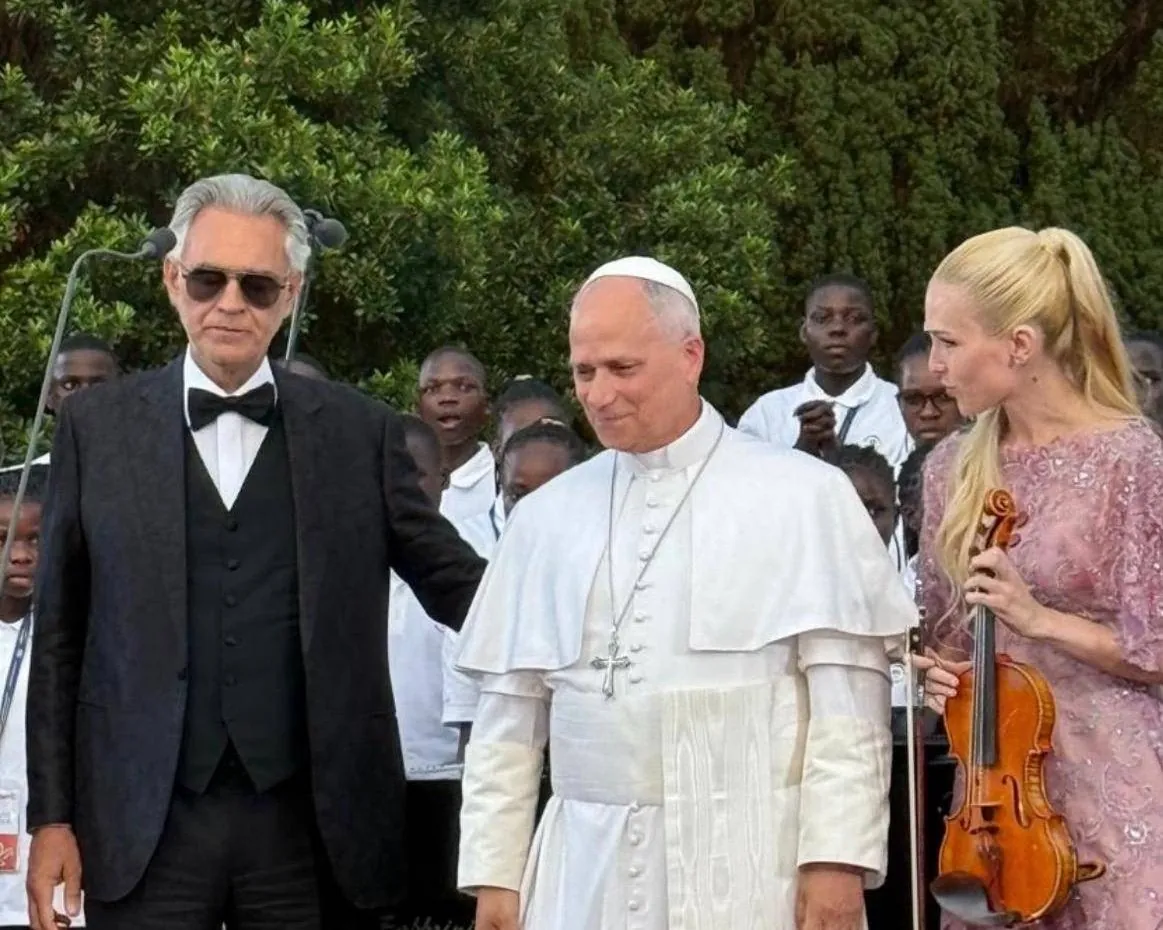
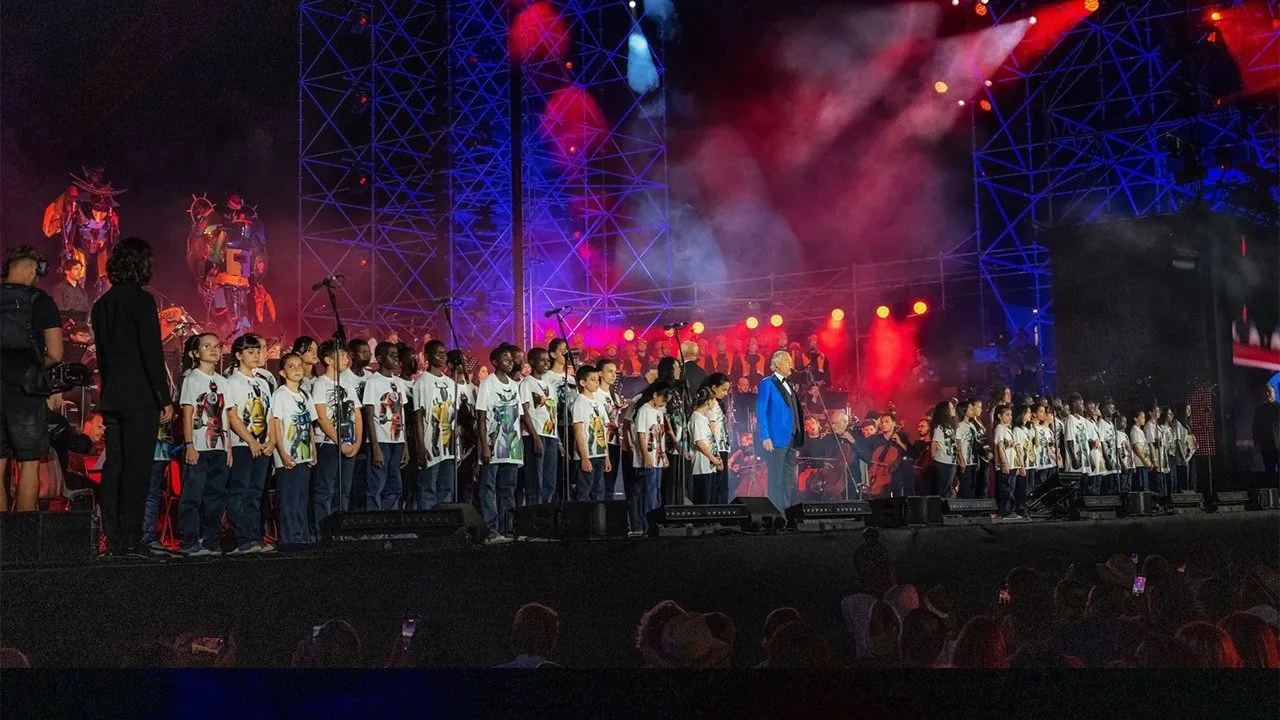
The Global Gathering itself was structured around more than performances. ABF described joint rehearsals and artistic, outdoor and cultural activities from July 20 to 29. The young singers appeared with Andrea Bocelli at the Teatro del Silenzio and had an announced performance at the Quirinale before the final papal gathering.
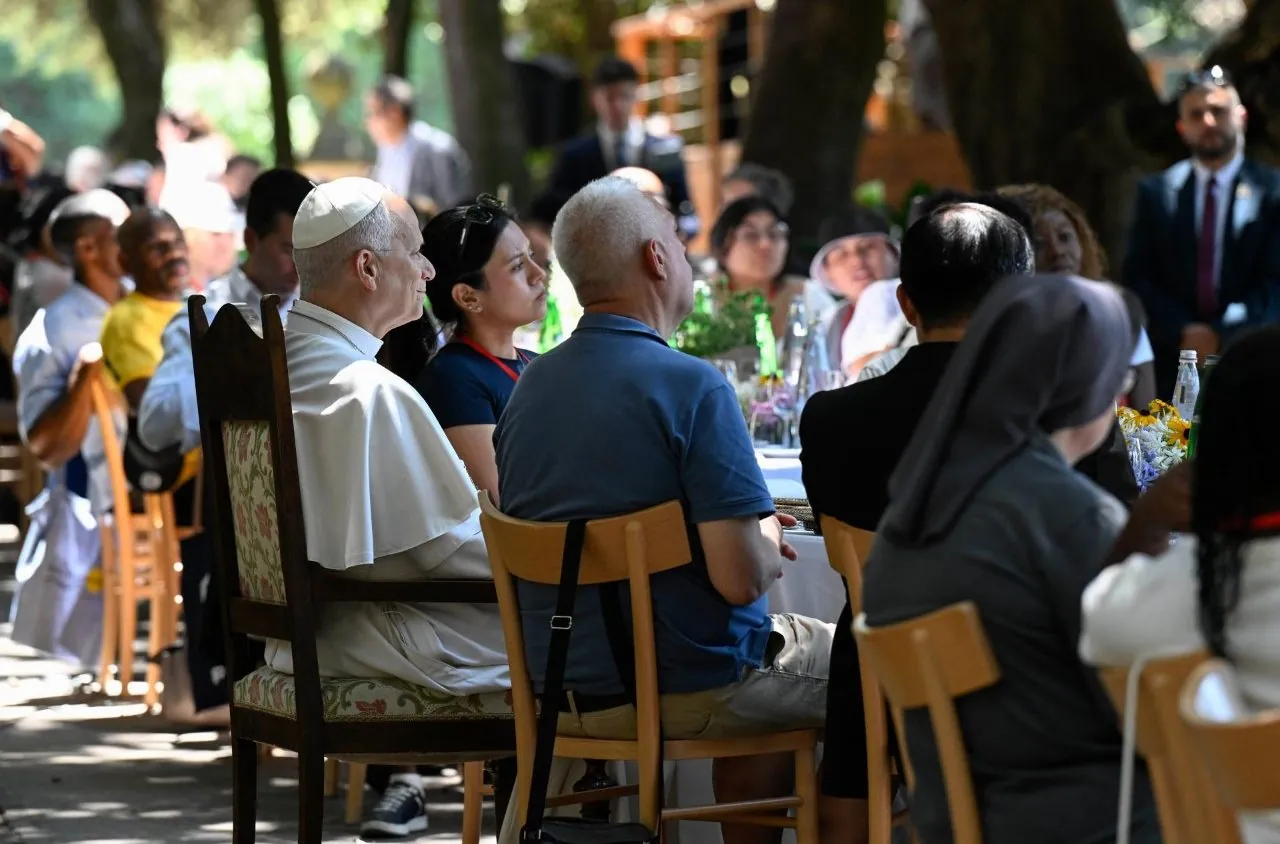
The Vatican counted 164 choristers at Borgo Laudato si'. Pope Leo XIV specifically welcomed young people from Uganda, the Holy Land and Italy. He thanked the children and their directors, then described how separate voices can cooperate in a choir. His remarks acknowledged the group as a whole and should not be turned into a claim about every child's individual circumstances.
Nabikabala is one of five local origins named in ABF's English July announcement. The others were Jerusalem, Bethlehem, Camerino and Naples. Those places do not share a single social or political context.
The Uganda project page identifies needs related to educational opportunity, safe spaces and continuity of learning in its rural setting. That is the foundation's program analysis; it does not justify assuming that every Nabikabala singer experienced a particular hardship.
The partner's role is particularly important. ABF's public description says activities are carried out with African Soup Uganda rather than designed solely from Italy. Local educators know the school calendar, families and practical conditions in which the choir works. The foundation's international platform can help bring attention and resources, but the routine work of rehearsal and support depends on people on the ground.
That distinction is easy to lose when coverage concentrates on the Pope or a celebrated tenor. Naming African Soup Uganda makes the story more accurate.
Nabikabala's participation in Canticle of Peace shows how a village choir became part of a temporary international ensemble. The documented story begins with a school-based project in Namutumba District, passes through a ten-day program in Italy and reaches a public performance before Leo XIV. What happened afterward would require follow-up reporting from the local program.
Sources: