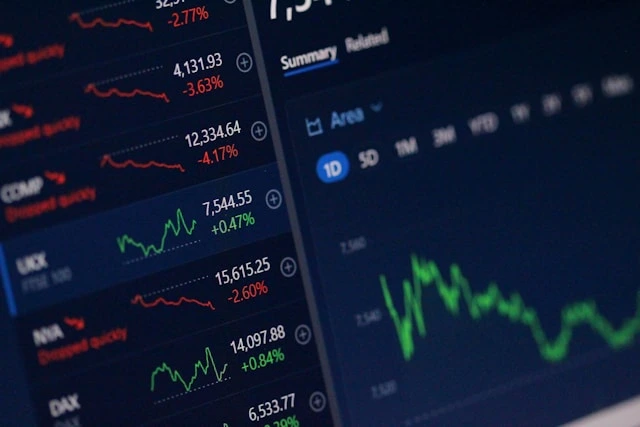
U.S. stocks reached fresh record highs as investors prepared for a busy week of corporate earnings, with SpaceX taking center stage alongside strong technology results and continued enthusiasm for artificial intelligence. The Dow Jones Industrial Average and S&P 500 both advanced to new highs as investors responded to corporate earnings strength and easing pressure from energy markets.
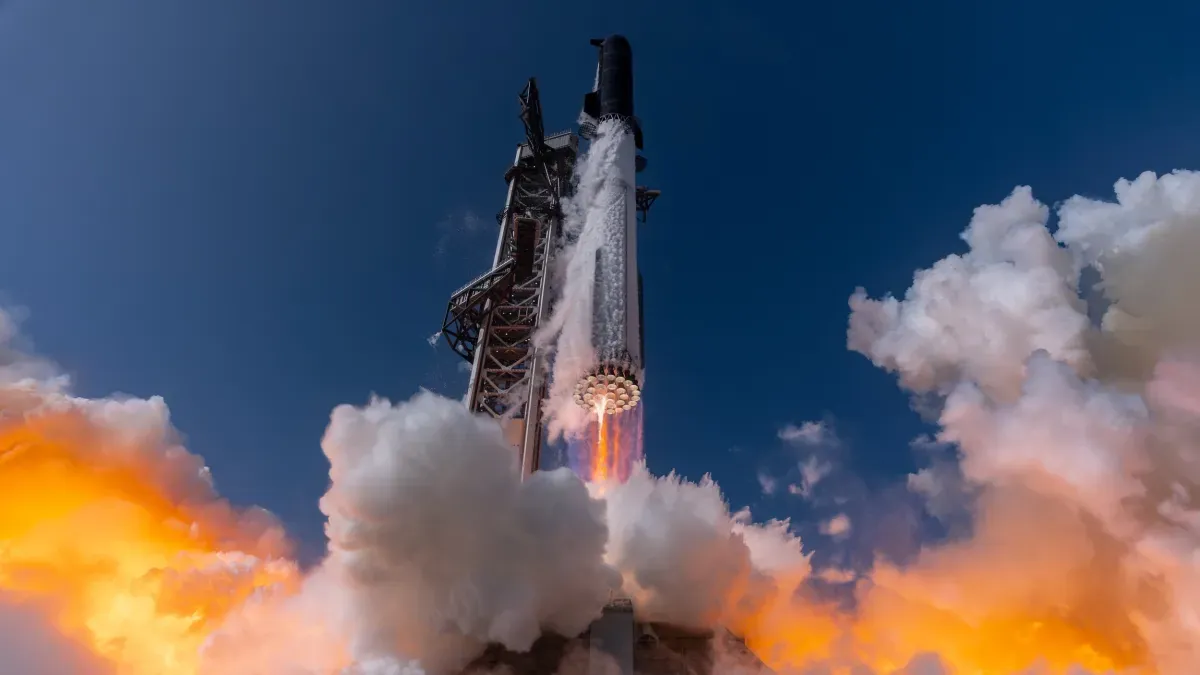
Wall Street was closely watching SpaceX as investors prepared to assess the aerospace company's first quarterly results as a publicly traded company. The report offered a detailed look at its Starlink satellite business, launch operations and growing investments in artificial intelligence infrastructure.
The market reaction also highlighted a major question for investors in 2026: whether enormous spending on AI infrastructure can ultimately translate into sustainable growth, stronger margins and meaningful shareholder returns.
SpaceX Earnings Become a Major Test for Investor Confidence
SpaceX's first quarterly earnings report as a public company was one of the most closely anticipated events of the week. Revenue growth exceeded Wall Street expectations, but investors quickly focused on the company's heavy spending on artificial intelligence and infrastructure development.
The company reported quarterly revenue of approximately $7.8 billion, exceeding analyst estimates. However, shares declined as investors weighed the scale of capital spending and questioned how quickly the company's investments could produce financial returns.
SpaceX is increasingly expanding beyond its traditional aerospace business. While rocket launches remain central to the company, its Starlink satellite internet operation has become an important source of revenue, serving consumers, businesses and government customers.
The company's AI ambitions have also attracted considerable attention. SpaceX has been investing heavily in computing infrastructure and technology projects related to artificial intelligence, raising the possibility that it could become a significant participant in the broader AI ecosystem.
Investors remain divided over whether those investments represent a long-term competitive advantage or a financial burden. The earnings reaction demonstrated that strong revenue growth alone may no longer satisfy shareholders demanding clearer evidence of profitability and efficient capital allocation.
AI Stocks Help Drive Wall Street Higher
The broader stock market moved higher as strong corporate earnings and continued enthusiasm surrounding artificial intelligence supported investor confidence. The S&P 500, Dow Jones Industrial Average and Nasdaq Composite all remained near important highs as technology stocks continued to dominate market attention.
Artificial intelligence remains a major investment theme across semiconductors, software and cloud computing. Companies providing the infrastructure required to power AI systems have benefited from increasing corporate spending on computing capacity and data centers.
AMD was among the technology companies attracting investor attention during the earnings cycle. Strong demand for AI and data-center products reinforced expectations that artificial intelligence will remain a major growth driver for the semiconductor industry.
Other companies, including Arista Networks, also benefited from investor interest in businesses supporting the expansion of AI data centers. Advanced AI systems require increasingly sophisticated networking infrastructure capable of handling enormous volumes of data.
Falling oil prices provided another boost to market sentiment by easing some concerns about inflation and operating costs. Lower energy prices can potentially support household spending while reducing expenses for businesses across multiple industries.
Investors Become More Selective About AI Spending
The current earnings season has highlighted a growing challenge for investors: separating companies with sustainable AI opportunities from those benefiting primarily from market enthusiasm.
Billions of dollars continue to flow into artificial intelligence, but shareholders increasingly want evidence that those investments will produce stronger profitability and returns on capital. The response to SpaceX's earnings illustrated that tension, with investors acknowledging strong revenue growth while questioning the company's spending levels.
A similar pattern is emerging across the technology sector. AI demand continues to support semiconductor manufacturers, cloud providers and infrastructure companies, but elevated valuations depend on sustained growth and successful execution.
Investors are also watching interest rates, inflation and corporate spending trends because those factors can influence how much the market is willing to pay for high-growth technology companies.
The strong performance of the broader market suggests that confidence in technological innovation remains high. At the same time, the reaction to individual earnings reports shows that investors are becoming more demanding about margins, capital efficiency and the path toward profitability.
SpaceX and the Future of the AI Investment Boom
Artificial intelligence, technology earnings and the ability of major companies to deliver on ambitious growth plans are expected to remain central themes for investors in the coming months.
SpaceX's results provide an important early look at how public-market investors evaluate a company that combines an established aerospace business with aggressive investments in emerging technologies. The performance of Starlink, launch operations and AI infrastructure will be closely monitored as the company develops its long-term financial strategy.
The wider market remains focused on AI as one of the most important investment themes of 2026. If demand continues to expand, semiconductor manufacturers, networking companies and technology infrastructure providers could remain among the key beneficiaries.
However, investors are increasingly demanding more than rapid revenue growth. Companies leading the AI revolution will need to demonstrate disciplined spending, improving margins and a credible path toward sustainable profitability.
As earnings season continues, Wall Street will be watching closely to determine whether the enormous investment behind the AI boom can ultimately translate into durable corporate profits and long-term shareholder value.
Sources: Wall Street Journal, Investor's Business Daily, Financial Times